
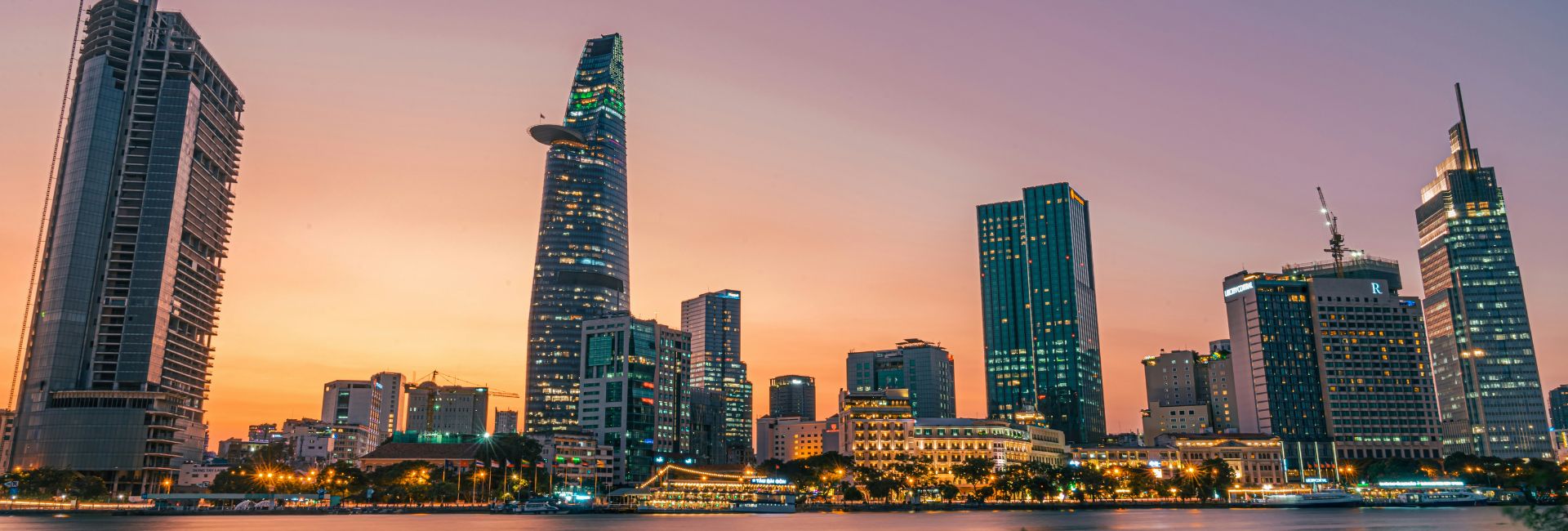
Most journeys south begin the same way: a few days in Ho Chi Minh City, then onward to the Mekong Delta. This guide covers the best things to do in Ho Chi Minh City for travellers who want their short stay to feel considered, not rushed. From landmarks and local food to day trips and where the city hands off to the river, here’s how to spend your time well.
How Many Days Do You Need in Ho Chi Minh City?
The right number of days depends on your pace, your interests, and what comes next on your trip.
One day – a fast, focused pass. A single day only really works as a layover or transit stop. You’ll have time for a handful of core landmarks, but nothing more. Day trips like Cu Chi or Can Gio won’t fit.
2–3 days – enough to see the city properly. This is the sweet spot for most visitors, and it’s how most travellers structure their stay before heading to the Mekong. Two to three days gives you room for the major landmarks, a proper food experience, some cultural depth, and a one-day trip beyond the city.
Longer stays – for going deeper. With four days or more, you can fit in both Cu Chi and Can Gio, slower mornings, and more of the shopping and wellness side of the city.
For most travellers, 2–3 days in Ho Chi Minh City is the ideal window. It’s enough time to do the city justice without eating into days better spent on the water. The rest of this guide is organised by category first – landmarks, food, culture, day trips, nightlife, and downtime – with a suggested itinerary to help you pull it all together.
A Suggested 2–3 Day Ho Chi Minh City Itinerary
Here’s how the sections above fit together into a short stay. If you’re mapping out the rest of your trip beyond the city, the South Vietnam Itinerary: 7 Days guide picks up where this one leaves off.
| Day | Focus |
| Day 1 | Landmarks (Reunification Palace, War Remnants Museum, Notre Dame area), street food, evening on Nguyen Hue |
| Day 2 | Cu Chi Tunnels or Can Gio Mangrove Forest (full or half day), evening rooftop or river cruise |
| Day 3 (optional) | Cultural deep dive, markets and concept stores, shopping and wellness |
This structure keeps each day focused on one type of experience, rather than trying to fit landmarks, a day trip, and shopping into a single rushed day.
Ho Chi Minh City’s Iconic Landmarks
These are the sights most associated with the city, and they’re worth building your days around. Each one rewards a bit of context, so it helps to know what you’re looking at before you arrive.
Reunification Palace
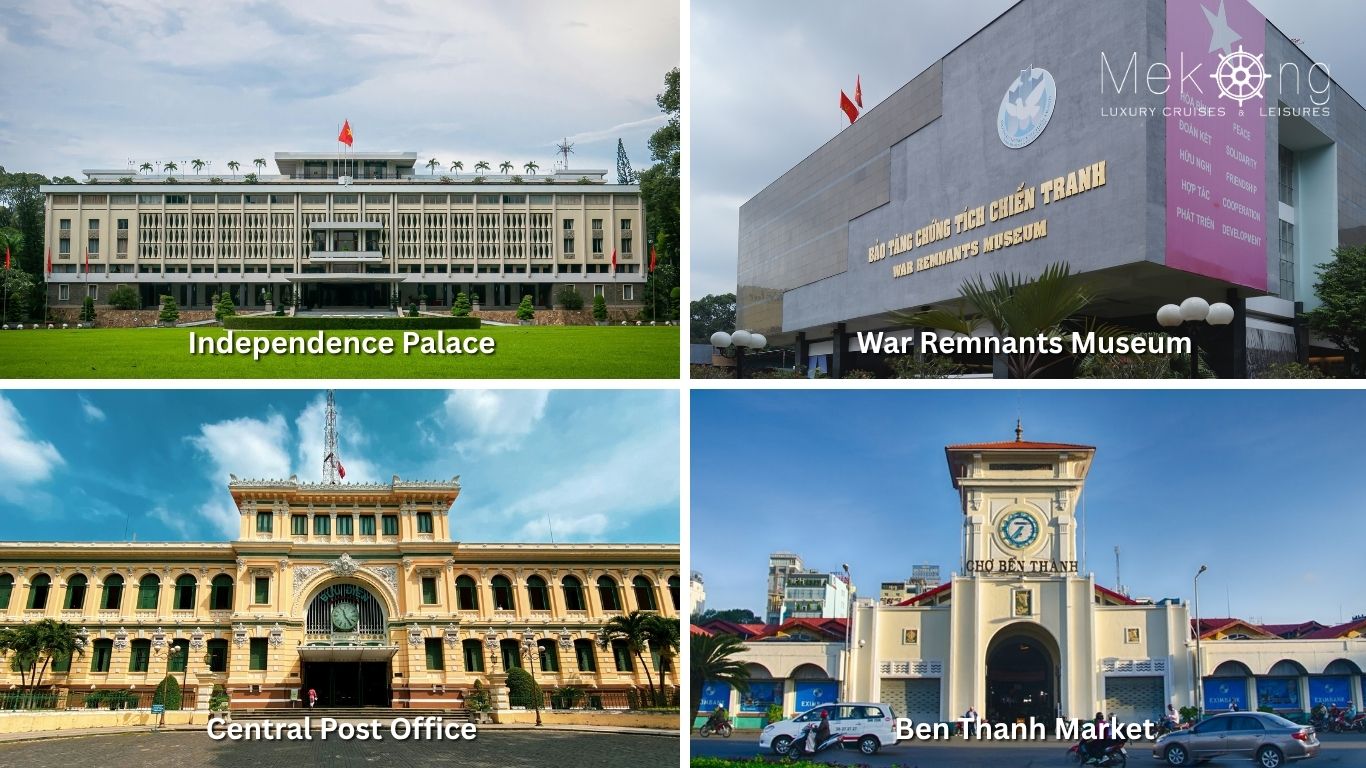
Reunification Palace, also known as Independence Palace, was the seat of the South Vietnamese government until April 1975. A tank famously crashed through its gates on the day Saigon fell, and that tank is still on display outside. Inside, the rooms remain furnished as they were, down to the war room in the basement with its original maps and radio equipment. Set aside about an hour, and go early to avoid both the heat and the tour bus crowds.
War Remnants Museum
The War Remnants Museum documents the Vietnam War from the Vietnamese perspective, and it’s an intense visit. Exhibits cover the effects of Agent Orange, wartime photography, and captured military equipment displayed in the courtyard outside. It’s not a light stop, but it’s one of the most informative things to do in Ho Chi Minh City if you want to understand the country’s more recent history. Budget 90 minutes, and expect the exhibits to stay with you afterward.
Notre Dame Cathedral, the Central Post Office & Book Street
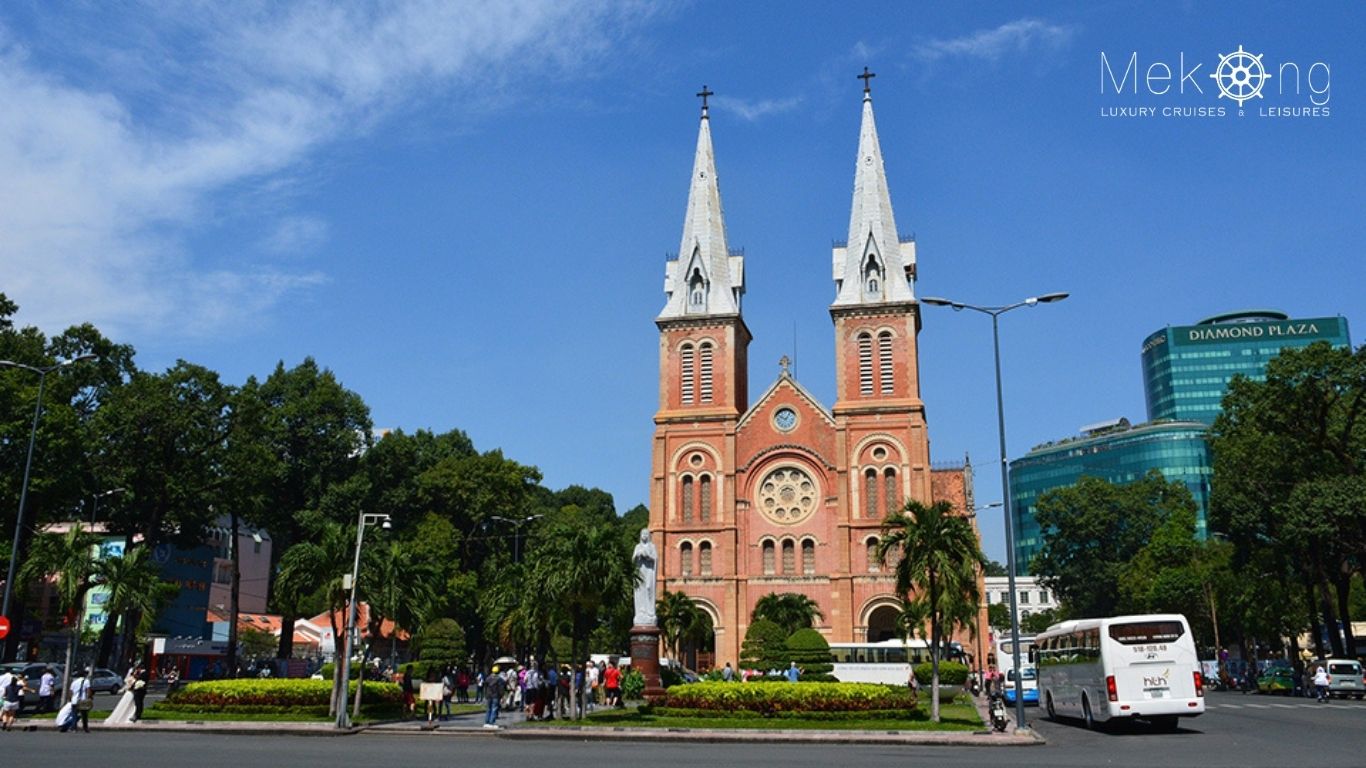
This trio sits within a few minutes’ walk of each other in District 1, and together they capture the city’s French colonial layer. Notre Dame Cathedral is currently under restoration, so much of the facade is scaffolded, but the surrounding square is still worth a look. Next door, the Central Post Office remains a working building with soaring ceilings and vintage phone booths. Just behind it, Book Street offers a shaded, quieter break from the traffic.
Ben Thanh Market and the Streets Around It
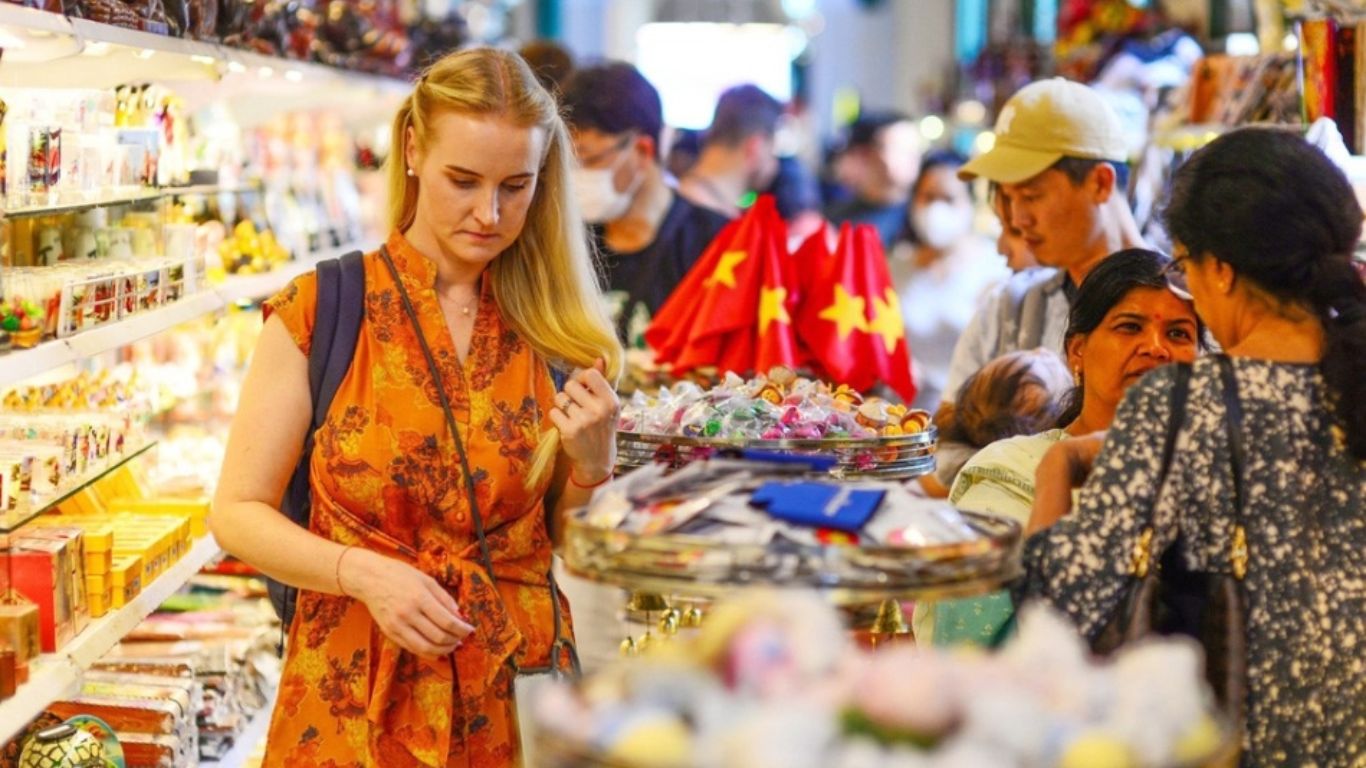
Ben Thanh Market is the city’s best-known market, packed with stalls selling everything from lacquerware to street food. Prices here run higher than elsewhere, since it’s squarely on the tourist circuit, so treat it as an experience more than a bargain-hunting stop. The streets immediately around the market, particularly toward Le Loi, are worth wandering for a feel of everyday commerce beyond the market’s four walls.
Bitexco Skydeck vs. Landmark 81
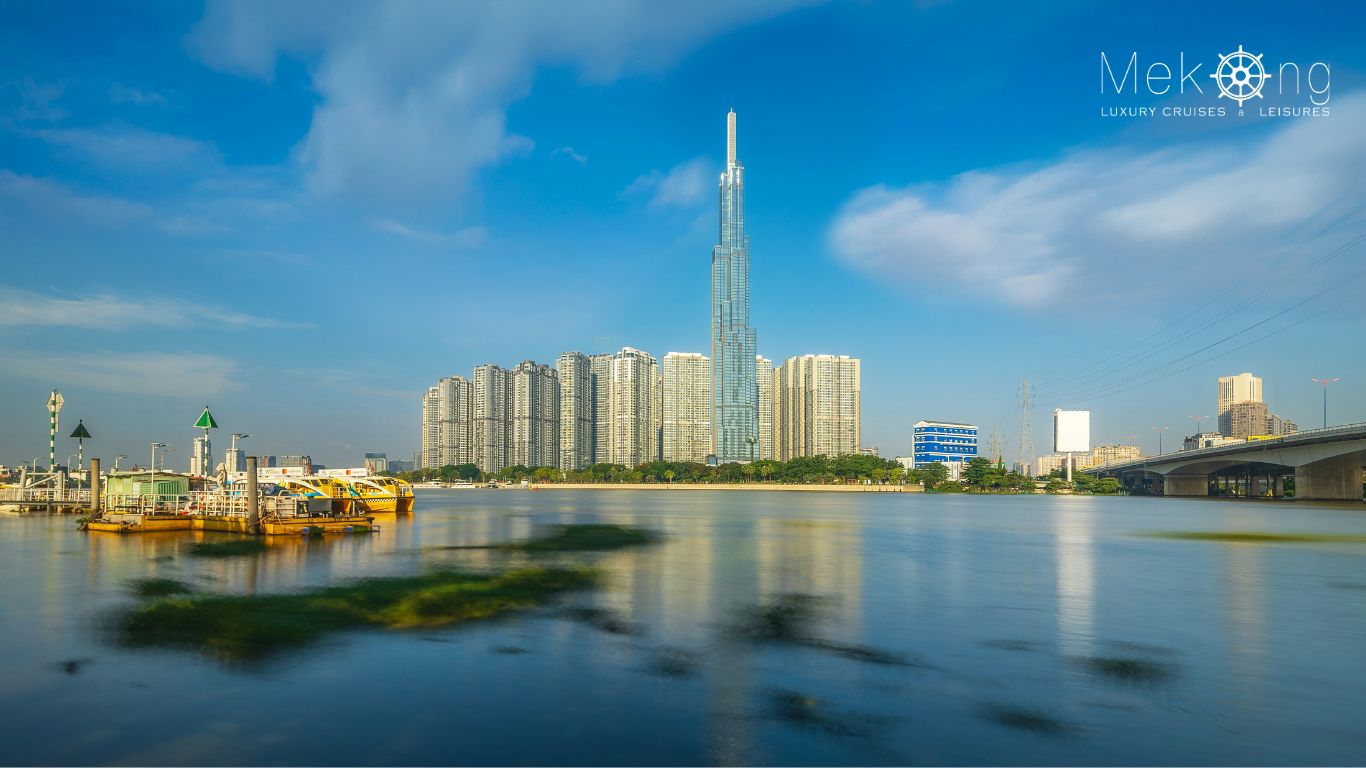
Both towers offer a view over the city, but they suit different moods. Bitexco’s Skydeck sits closer to the historic core, so the view leans toward rooftops, the river bend, and older architecture. Landmark 81, the taller of the two, gives a wider, more modern skyline shot and works especially well at sunset. If you only have time for one, choose Bitexco for context and Landmark 81 for scale.
Food scene in Ho Chi Minh City
Food is where the city opens up. Eating well here isn’t about seeking out a single famous restaurant – it’s about paying attention to what’s cooking on the street corner next to you.
Street Food Worth Seeking Out
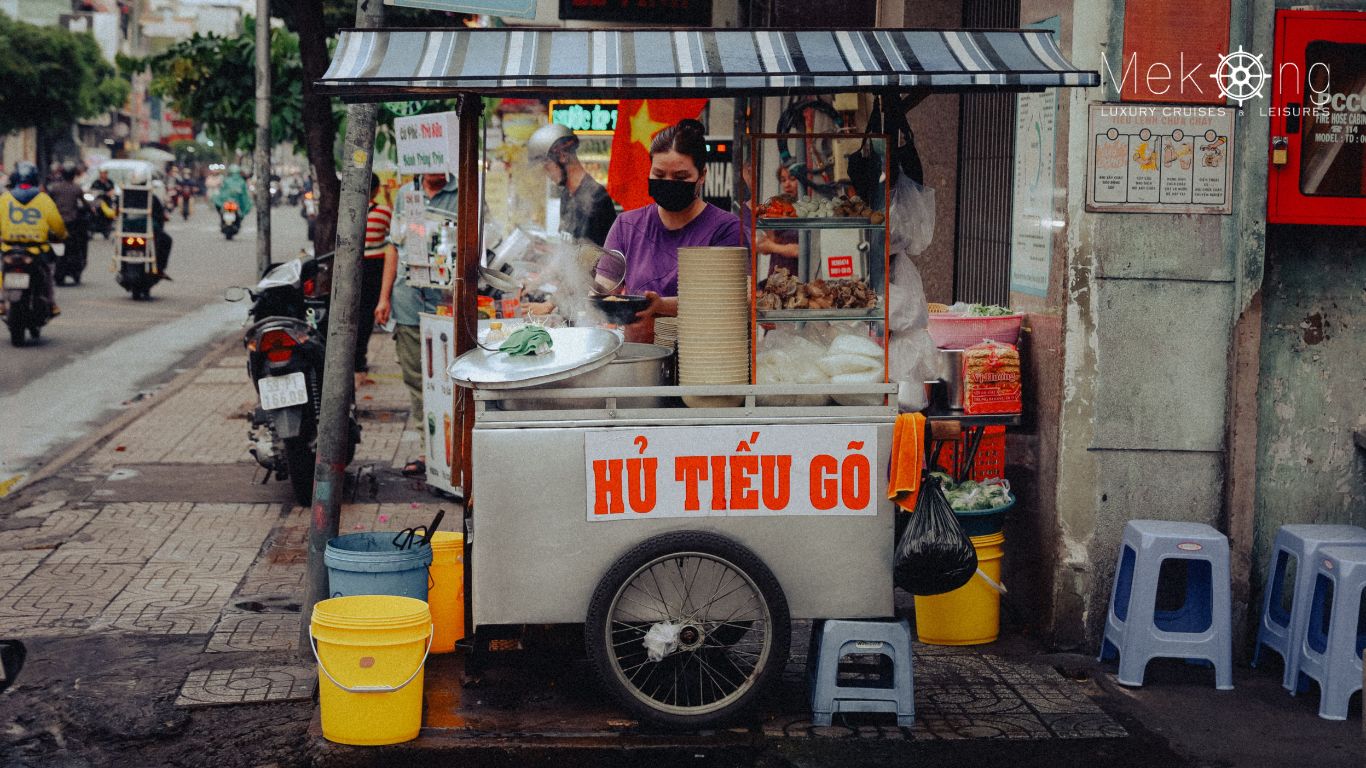
Ho Chi Minh City’s street food scene has its own hallmarks, distinct from what you’ll find further north. Here are some hard-hitters you can find:
A few dishes stand out as Saigon’s own. Com tam (broken rice) is the city’s defining dish, served with grilled pork chop, a fried egg, and pickled vegetables, eaten as often at breakfast as at lunch or dinner. Saigon-style banh mi leans heavier on pate, homemade mayonnaise, and pickled daikon and carrot than versions found elsewhere in the country.
Bo la lot wraps minced beef in betel leaf and grills it over charcoal, giving the meat a smoky, peppery edge. Bo ne is a sizzling iron-plate take on steak, served with a fried egg, pate, and baguette for dipping. Hu tieu, a clear pork or seafood broth over rice noodles, rounds out the list as a lighter alternative to pho.
Coffee Culture Beyond Egg Coffee
Egg coffee gets most of the attention, but it’s actually a Hanoi specialty. In Ho Chi Minh City, the local classic is ca phe sua da, strong drip coffee sweetened with condensed milk and served over ice. Seek out one of the city’s specialty roasters if you want to taste how Vietnamese robusta beans compare to the arabica most Western visitors are used to.
Where to Go for a Great Food Tour
A good food tour moves on foot between several small stops rather than sitting down at one restaurant. Ben Thanh Street Food Market, just behind the main market building, gathers a wide range of stalls under one roof, making it an easy first stop to try pho, bun thit nuong, fresh spring rolls, and che side by side.
Over in Cho Lon, the city’s Chinatown, decades of Cantonese influence show up in roast meats, wonton noodle soups, herbal soups brewed with dried roots and mushrooms, and sweet dessert soups sold from small storefronts throughout the district.
For something less touristy, Ho Thi Ky Market is known locally for its night food stalls, with grilled skewers, banh trang nuong, and Cambodian-influenced dishes reflecting the area’s history, and it draws a mostly local crowd after dark.
Vinh Khanh Street, close to District 4, is the city’s go-to strip for oc (snails), garlic butter clams, and grilled scallops, best visited in the evening when the stalls are in full swing.
A Cultural Deep Dive Into Saigon
Beyond the major landmarks, the city holds a quieter cultural layer that rewards a bit more time and a knowledgeable guide.
Museums Beyond War Remnants
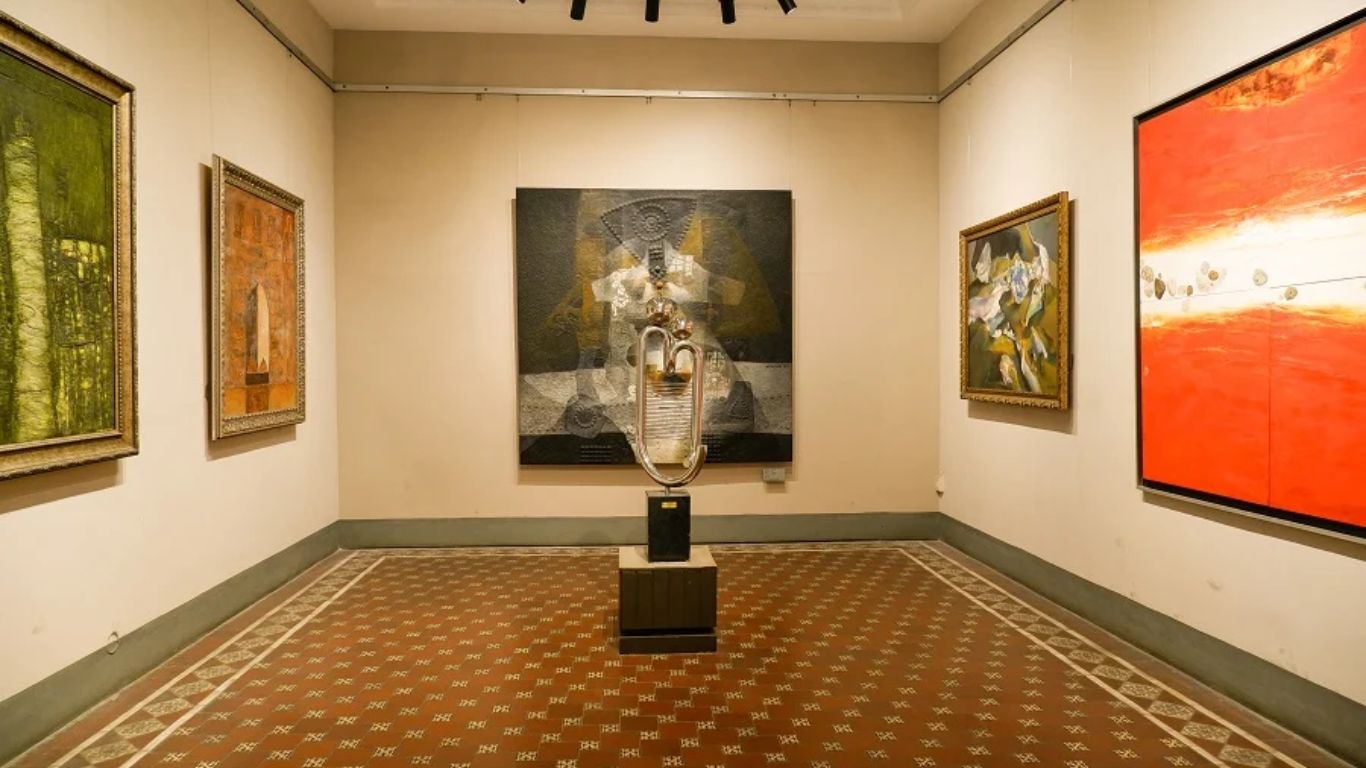
The Fine Arts Museum, set in a restored colonial villa, covers Vietnamese art from lacquer painting to contemporary work. The History Museum, meanwhile, traces the country’s story back through the Cham and Nguyen dynasties, well before the twentieth century events most visitors associate with Vietnam. Both offer a fuller picture than the war-focused sights alone.
Art Galleries and the Contemporary Scene
Ho Chi Minh City has a growing contemporary art scene, with independent galleries scattered through District 1 and District 3 showing Vietnamese painters, photographers, and installation artists. These spaces are usually free to enter and far less crowded than the museums, making them an easy, low-effort addition to any day.
A Guided Tour – Why Context Changes What You See
A knowledgeable local guide changes how these sights land. The same palace room, museum photograph, or pagoda carving means far more with someone who can explain the history behind it. If you only book one guided experience during your stay, make it a half-day introduction to the city’s core sights with a guide who can answer questions as they come up.
Beyond the City – Cu Chi Tunnels and Can Gio Mangrove Forest
Two of the most rewarding day trips from Ho Chi Minh City sit in opposite directions, and they offer very different experiences. Together, they’re among the most rewarding things to do in Ho Chi Minh City beyond the downtown core.
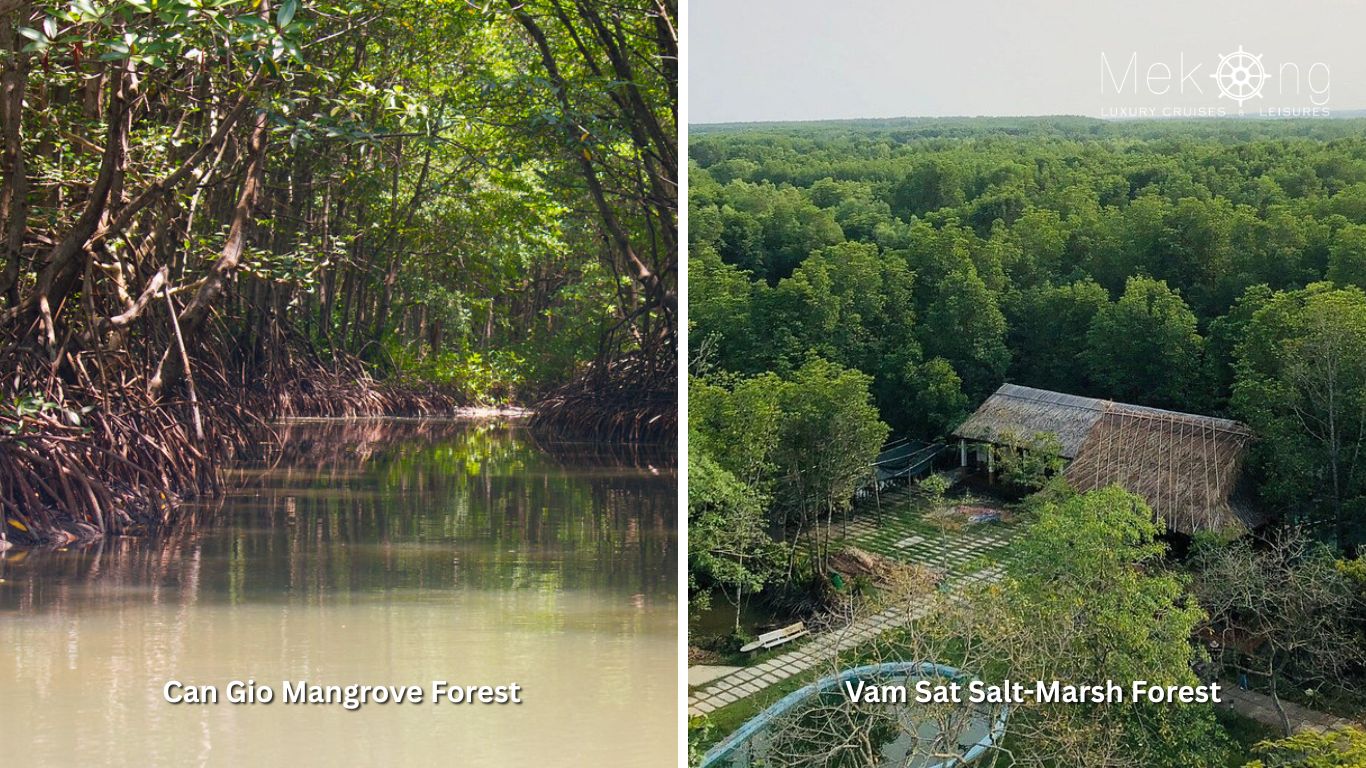
Cu Chi Tunnels and Can Gio are top Ho Chi Minh City attractions beyond downtown (alt: A man in Cu Chi Tunnels and the Can Gio Mangrove Forest)
Cu Chi Tunnels – Vietnam’s War History, Underground
The Cu Chi Tunnels form part of a network that once stretched over 120 kilometres, used as a hidden base during the war. Visitors today walk through widened sections of tunnel, see original entrances disguised in the jungle floor, and explore recreated living, kitchen, and medical areas underground. Some sections are still narrow enough to crawl through, which gives a real sense of what conditions were like.
The site sits about 40 kilometres northwest of the city and is usually visited as a half-day trip, often paired with a stop at the Cao Dai Temple along the way. If you’d rather have this handled as part of a wider trip, the Southern Vietnam Discovery 6 Days package includes a Cu Chi Tunnels visit alongside a Mekong cruise.

Can Gio Mangrove Forest – A Different Side of the Delta
Can Gio is a UNESCO Biosphere Reserve southeast of the city, and it offers a nature-focused counterpart to Cu Chi’s history. A typical visit includes a boat or canoe ride through the Vam Sat Salt-Marsh forest, sightings of saltwater crocodiles, wild cats, otters, and free-roaming monkeys, and a local lunch.
Many tours also include the option to climb Tang Bong Tower for a view across the canopy. It’s a full-day trip, and one of the few places near the city where the delta’s ecosystem feels genuinely wild. The Can Gio Mangrove Forest Full Day Tour covers all of this in a single, well-paced day.
Choosing Between Them (or Doing Both)
If history interests you more, choose Cu Chi. If you’d rather spend the day outdoors, choose Can Gio. Both trips work best on their own day rather than combined, since each covers meaningful ground and deserves unhurried attention. With a three-day stay, one of these trips fits naturally into day two or three.
>>> Read more: Cu Chi Tunnels – Essential Travel Guide Near Ho Chi Minh City
Where to Experience Ho Chi Minh City’s Nightlife
The city changes character after dark, and nightlife is one of the most overlooked things to do in Ho Chi Minh City beyond the backpacker strip most guidebooks default to.
Vespa Tours After Dark
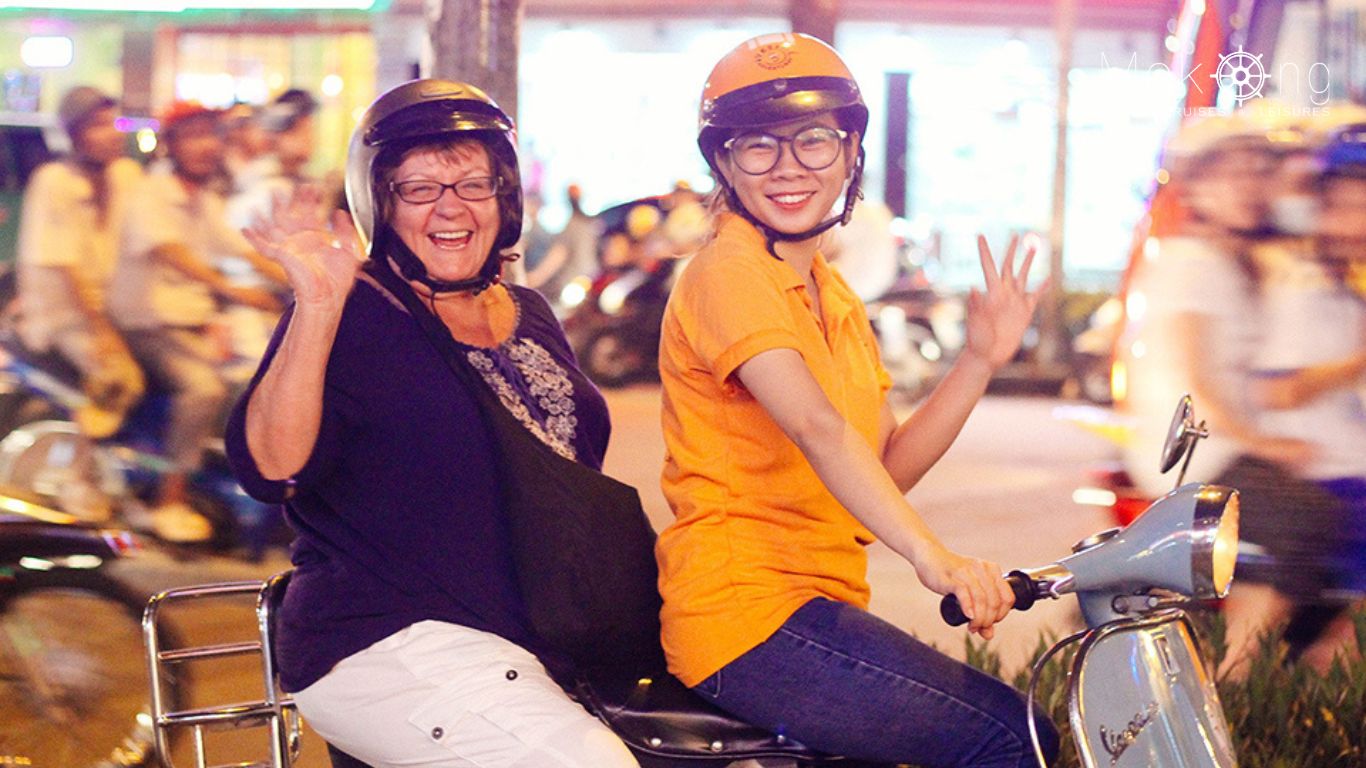
A guided Vespa tour is one of the more memorable ways to see the city after sunset, riding pillion behind a local driver through backstreets a taxi wouldn’t take. Most routes combine a handful of food stops with passes by lit-up landmarks, giving a faster-paced, more immersive alternative to walking. It’s worth booking one with an established operator that provides helmets and briefs riders on safety before setting off.
Rooftop Bars and River Views
Several rooftop bars along the Saigon River offer skyline views without the crowds of Bui Vien Street. Arrive close to sunset for the best light, and expect prices at the higher end given the view – most are attached to hotels in District 1.
An Evening on the Saigon River
A river cruise at night, whether a short dinner cruise or a quieter charter, gives a different perspective on the city’s skyline than any rooftop can. It’s also a fitting preview, in miniature, of the slower river travel waiting further south on the Mekong.
Relaxation and Shopping in Ho Chi Minh City
Not every hour needs a landmark attached to it. Building in some slower-paced things to do in Ho Chi Minh City makes the rest of the stay feel less rushed.
Tailoring, Lacquerware & Considered Shopping
Vietnamese tailors can turn around a made-to-measure shirt or ao dai within a couple of days, which works well if your stay allows for a fitting and a return visit. Lacquerware, meanwhile, makes for a considered souvenir, with pieces ranging from small boxes to larger decorative panels.
Markets, Local Brands and Concept Stores
Beyond Ben Thanh, several of the city’s local markets are worth a visit for goods rather than food, from dried herbs and textiles to lacquerware and household wares sold at wholesale prices. These markets tend to draw a mostly local crowd, and bargaining is sometimes expected, so it’s worth having a rough price in mind before you start.
For a different kind of shopping, District 3 and parts of District 1 have a growing cluster of concept stores and independent Vietnamese fashion and homeware brands, offering a more curated alternative to the market stalls.
Spa and Wellness Breaks
A traditional Vietnamese massage or a half-day spa visit is a practical way to recover from jet lag or a long travel day. Several spas in District 1 and District 3 offer treatments rooted in traditional practice rather than a generic international spa menu.
From Ho Chi Minh City to the Mekong
For most travellers, Ho Chi Minh City is the opening chapter rather than the whole trip. A rushed day-trip tour to the Mekong Delta covers the basics, but it only offers a few hours on the water before heading back to the city.
A multi-day cruise, by contrast, moves at the pace the delta actually deserves, with time to see floating markets, riverside villages, and orchards that a single day simply can’t reach.
Cruises Departing From, or Near, Ho Chi Minh City
Several Mekong River cruises are built specifically around a Ho Chi Minh City start, while others depart from towns a short drive away. Transfer is usually built into the package.
- Bassac Mekong River Cruise – Cai Be, Sa Dec, Can Tho. From $197 per person. A straightforward option for travellers who want the essentials without longer sailing days.
- Mekong Eyes Explorer & Classic Cruise – Saigon, Cai Be, Can Tho, Phu Quoc, Phnom Penh. From $212 per person (2 days/1 night). A boutique cruiser built to reach narrow canals larger ships can’t access, with cabins finished in hand-crafted local materials.
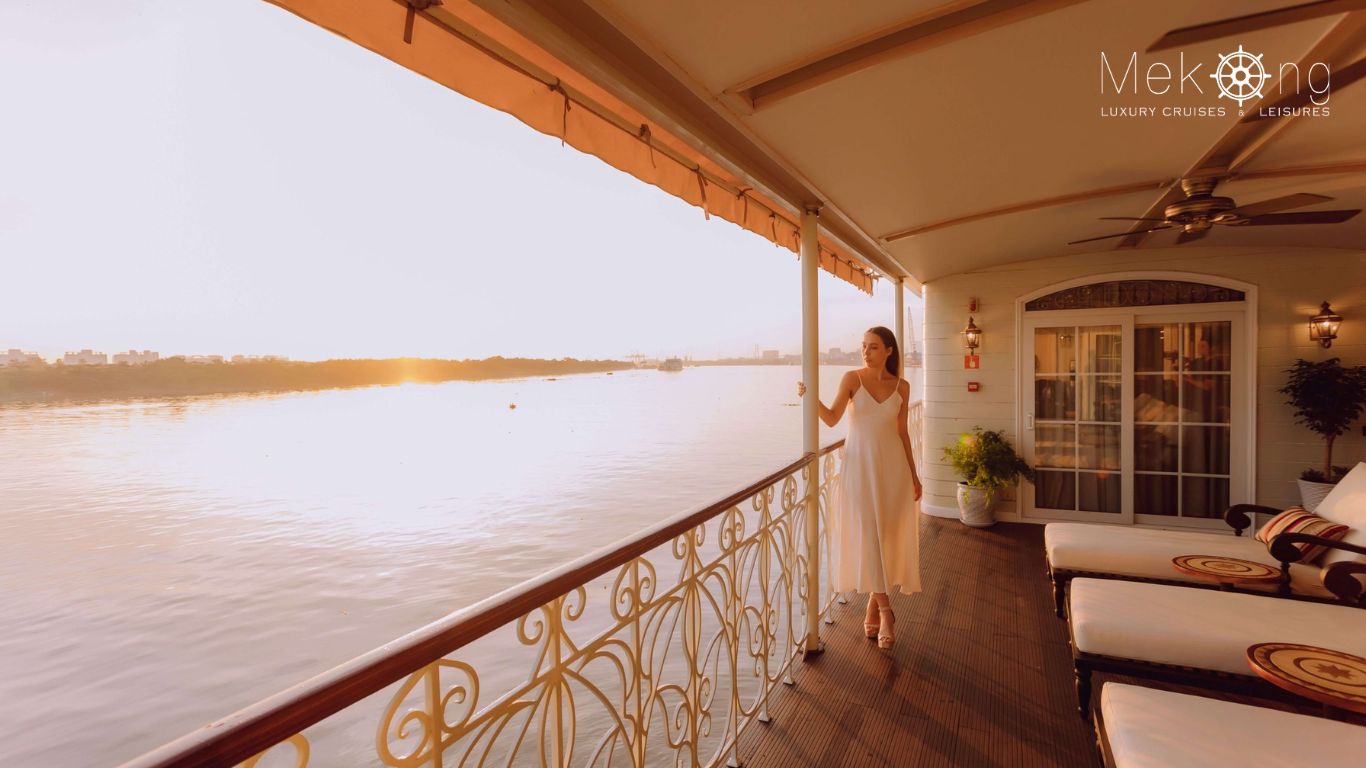
- Mekong Princess Cruise – Ho Chi Minh City, Ben Tre, Can Tho, Gieng Island, Phnom Penh, Angkor Ban, Siem Reap. From $1,029 per person (3 days/2 nights). Departs directly from Saigon Port, with suites featuring French balconies and butler service on the top categories.
- Heritage Line Jahan – Saigon, My Tho, Cai Be, Tan Chau, Phnom Penh, Tonle Lake, Siem Reap. From $1,355 per person (4 days/3 nights). Departs from My Tho, with a British-Indian colonial design theme and an onboard spa.
Package Deals That Combine the City and the River
If you’d rather not plan the transition yourself, a package deal can bundle your Ho Chi Minh City sightseeing with a Mekong cruise and beyond, in a single itinerary.
- Southern Vietnam Discovery 6 Days – Pairs Ho Chi Minh City’s landmarks and the Cu Chi Tunnels with a multi-day Mekong cruise, staying entirely within southern Vietnam.
- Classic Adventure Vietnam 12 Days – A longer, country-spanning route from Ho Chi Minh City and the Mekong Delta through Hoi An, Hue, Hanoi, and Halong Bay, for travellers continuing north after their time in the south.
If you’re still deciding, contact us to see which route and itinerary fits your plan.
>>> Read more: How to get from Saigon to Mekong Delta?
What’s the Best Time of Year to Visit Ho Chi Minh City?
The best time to visit Ho Chi Minh City depends mainly on rainfall rather than temperature, since the city stays warm year-round.
| Period | Season | What to Expect |
| December – February | Dry, cooler | The most comfortable stretch of the year, with the least humidity |
| March – April | Dry, hotter | Still rain-free, but noticeably warmer and more humid |
| May – November | Wet season | Short, heavy downpours most afternoons, usually clearing within an hour |
Rain rarely disrupts a full day, so it’s worth planning around it rather than avoiding the wet season entirely. Mornings tend to stay dry during the wet season, which is when it’s best to schedule outdoor sights and day trips.
Tips Before Visiting Ho Chi Minh City
A few logistics make the difference between a smooth stay and a frustrating one.
Getting around
Grab, the local ride-hailing app, is the easiest way to move around the city. It works for both cars and motorbikes. A private driver is worth arranging for a full day trip like Cu Chi or Can Gio, since it removes the need to negotiate return transport.
Money and connectivity
An eSIM or local SIM card, set up on arrival, makes navigation and ride-hailing far easier. Cash is still preferred at smaller stalls and markets, though cards are widely accepted at hotels and restaurants.
Safety basics
Petty theft, particularly bag-snatching from passing motorbikes, is the main risk worth being aware of. Keep bags on the side away from traffic and avoid displaying phones or cameras loosely while walking near busy roads.
Discover Ho Chi Minh City Attractions with Luxury Cruise Mekong
Ho Chi Minh City rewards a considered, well-paced visit far more than a rushed checklist. Two to three days is enough to cover the best things to do in Ho Chi Minh City. You can check out iconic sights, eat well, and fit in a one day trip beyond the city. Then, let the Mekong takes over as the next chapter of the journey.
Luxury Cruise Mekong is a division branch of Indochina Voyages, curating bespoke itineraries through the Mekong Delta. To plan your personalized journey, reach out at resa@luxurycruisemekong.com or visit our website.