
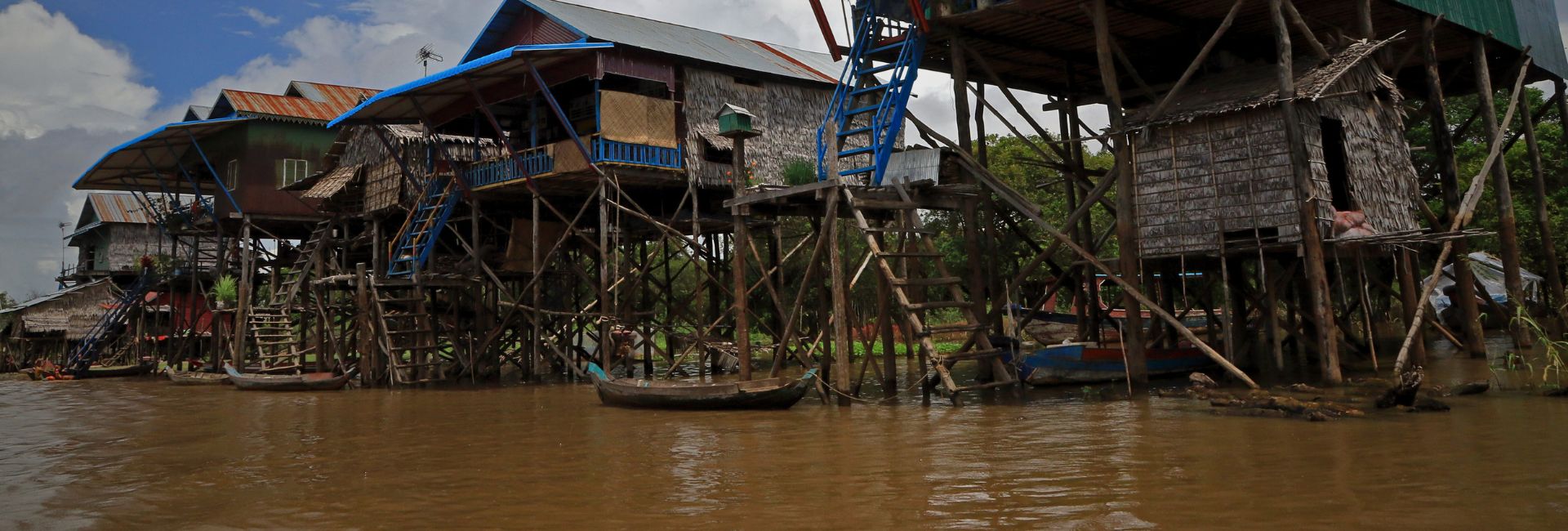
The Mekong in Cambodia flows majestically through the country, shaping its landscapes, culture, and daily life. Unlike the Delta in Vietnam, Cambodia’s Mekong is wilder, more serene, and full of surprises. Cruising this river allows travelers to witness floating villages, vibrant ecosystems, and authentic rural communities while experiencing the rhythm of life along its banks. From Phnom Penh’s bustling riverfront to the remote Tonle Sap region, the Mekong offers a journey into Cambodia’s heart.
The Rich History of the Mekong in Cambodia
The Mekong in Cambodia is more than a river. It has been the lifeline of Khmer civilization for centuries. Ancient settlements developed along its banks, using fertile floodplains for rice cultivation and fishing. Its connection to Tonle Sap created one of the most productive inland fisheries in Southeast Asia, supporting generations of communities.
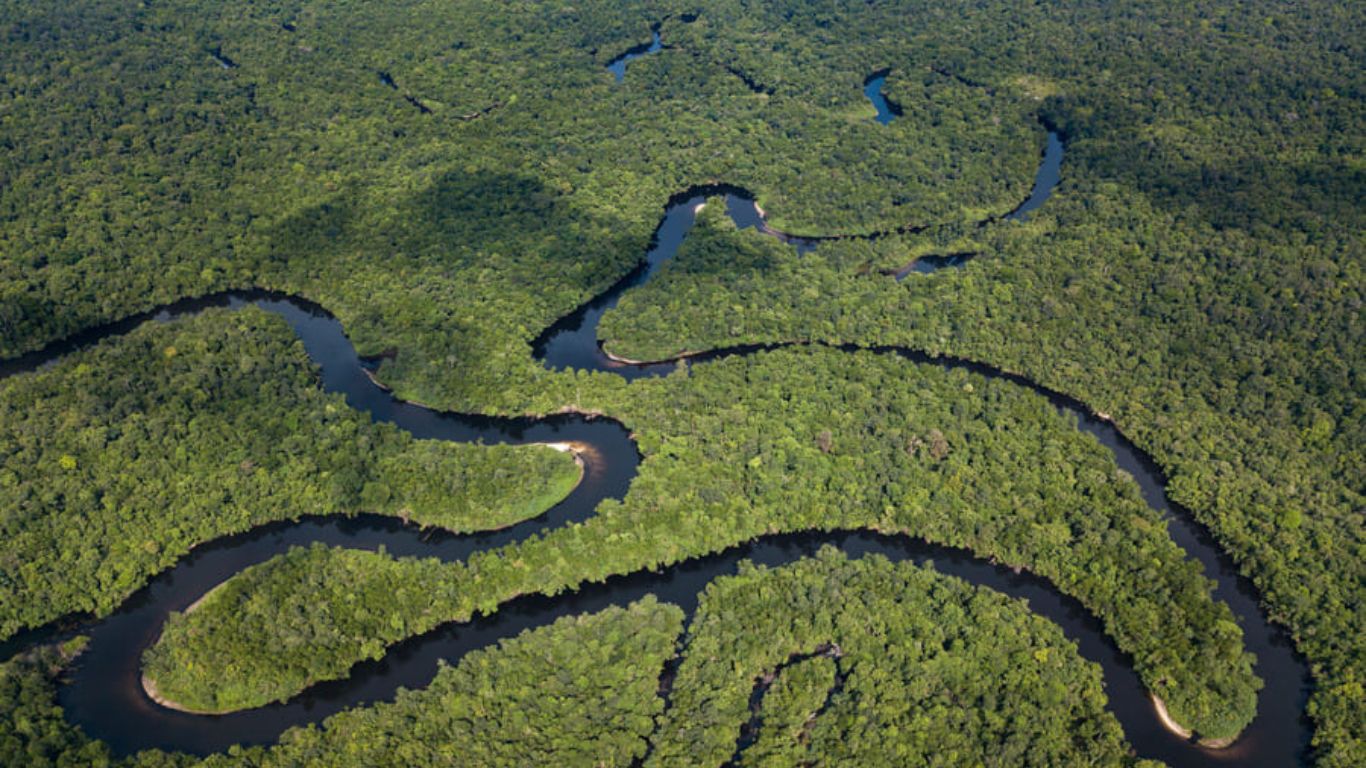
During the French colonial period, the Mekong became a vital trade and transport route, linking Cambodia to Laos, Vietnam, and other regions. Timber, rice, and fish traveled these waters, shaping local economies and villages that still exist today.
Culturally, the river is deeply woven into Cambodian life. Many communities consider the Mekong sacred, holding festivals, rituals, and river ceremonies along its banks. Even today, cruising the Mekong offers travelers a living connection to Cambodia’s past, where history, culture, and nature flow together in every mile.
Discover the Cambodian Mekong: Where Culture and Nature Meet
Location
The Mekong in Cambodia stretches over 450 kilometers within the country, connecting the north near Kratie to the south at Phnom Penh before continuing toward Vietnam. It passes through fertile plains, dense forests, and unique wetland ecosystems, including the remarkable Tonle Sap, the largest freshwater lake in Southeast Asia. Along the river, travelers find floating villages, stilted houses, and diverse communities including Khmer, Cham, and Vietnamese populations.
How to Get There
Most travelers access the Cambodian Mekong via Phnom Penh, where modern cruise boats and ferries depart along the river. Several Mekong cruises offer multi-day journeys upstream to Kratie or Tonle Sap, combining river exploration with village visits. For those traveling from Vietnam, border crossings at Prek Chak or Bavet provide seamless entry for international cruise passengers.
Best Time to Explore
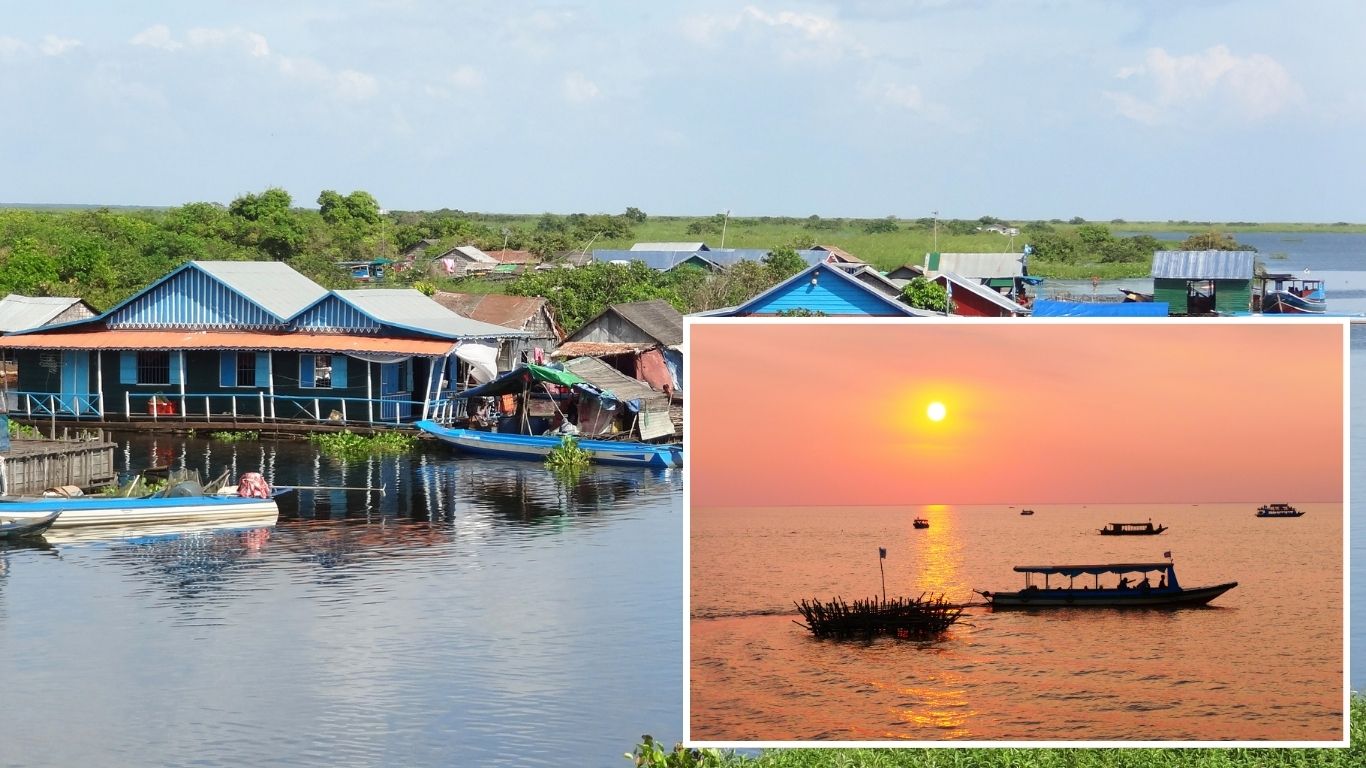
The ideal months to explore the Mekong in Cambodia are November to April, during the dry season, when river levels are lower, making village visits and ferry rides easier. High water season (May to October) transforms the landscape, flooding fields and villages, which creates a unique but more challenging experience for river travelers.
7 Amazing Experiences Along the Cambodian Mekong
Phnom Penh’s Lively Riverfront
The Mekong flows through the capital, offering a vibrant mix of modern life and colonial charm. Riverside cafés, local markets, and temples line the banks. A cruise starting from Phnom Penh gives travelers a first-hand view of city life intertwined with river culture.
Tonle Sap – A Seasonal Wonderland
Tonle Sap, connected to the Mekong, reverses flow seasonally, dramatically expanding its waters in the wet season. Floating villages, stilt houses, and fishing communities dominate the landscape, creating a dynamic ecosystem crucial for Cambodia’s food supply.
Silk Island (Koh Dach) – Craftsmanship on the River
A short river cruise from Phnom Penh leads to Koh Dach, where silk-weaving villages preserve centuries-old traditions. Visitors can witness weaving workshops, interact with artisans, and purchase authentic Cambodian silk.
Traditional Fishing Communities – Life on the Water
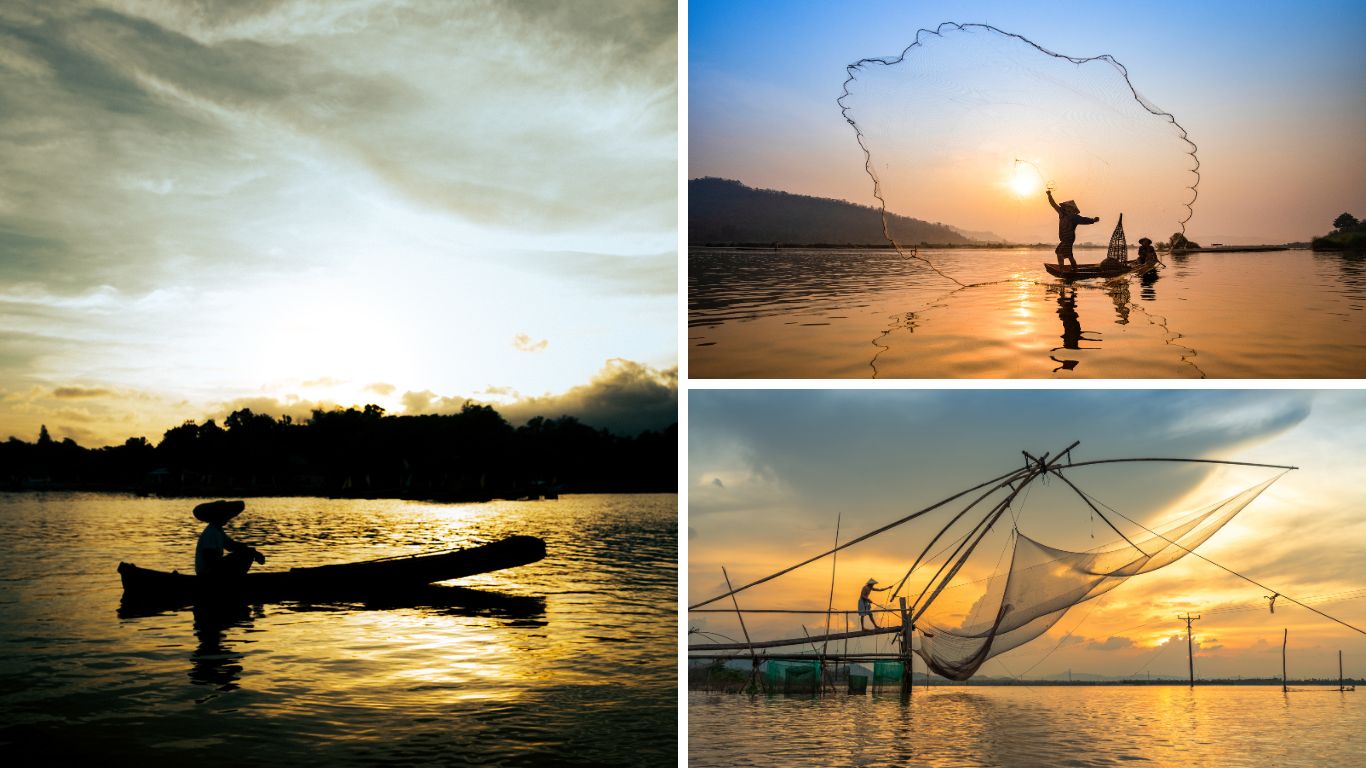
Along the river, small villages rely on the Mekong for daily life. Children play on wooden docks, fishermen navigate long boats with nets, and local markets offer fresh catches. Observing this lifestyle provides insight into Cambodia’s dependence on the river.
Cham Muslim Villages – A Unique Cultural Insight
The Mekong supports cultural diversity, including Cham Muslim communities. Their villages feature mosques, unique architectural styles, and river-based livelihoods. Visiting these areas offers travelers a rare glimpse into Cambodia’s multicultural fabric.
Nature, Wildlife & Rural Islands – Explore the Untamed Side
The Cambodian Mekong is home to freshwater dolphins near Kratie, abundant birdlife, and lush wetlands. Rural islands and forests along the river provide opportunities for eco-tourism and wildlife spotting.
Changing Rivers – Witness the Seasons Transform
The river’s appearance changes dramatically between dry and wet seasons. In dry months, sandbanks and small islands appear, while in wet months, vast floodplains create a unique floating landscape. Travelers can experience both extremes through different cruise routes.
What a Cambodian Mekong Cruise Feels Like
Mekong cruises vary from luxury staterooms to intimate riverboats, often including guided village visits, cycling excursions, and cultural workshops. Most multi-day cruises depart from Phnom Penh and explore:
-
Rural islands and floating villages
-
Tonle Sap Lake excursions
-
Historic towns along the river
-
Wildlife observation near Kratie
-
Silk island or craft villages
A typical cruise includes comfortable staterooms, full board dining, and expert guides who bring each destination to life. You can explore more cruise choices on the Mekong Cruise , which naturally appears during your planning. Many travelers find the Cambodian stretch calmer and more authentic than the Mekong Delta in Vietnam because it offers a closer connection to nature and traditional river culture.
Why Cambodia Should Be on Your Travel Bucket List
Cambodia is a land where rivers shape life, culture, and history. Cruising the Mekong in Cambodia reveals floating villages, stilted homes, and lush wetlands that exist almost untouched by time. Every stop offers a glimpse into daily life, centuries-old traditions, and vibrant communities that rely on the river for survival. Beyond the river, the country boasts majestic temples, rich history, and warm, welcoming people. Whether you seek adventure, cultural immersion, or tranquil landscapes, a journey along Cambodia’s Mekong promises memories you cannot find anywhere else. For travelers who want more than sightseeing, it is a profound, unmissable experience.
Suggested Cruises for Exploring the Mekong in Cambodia
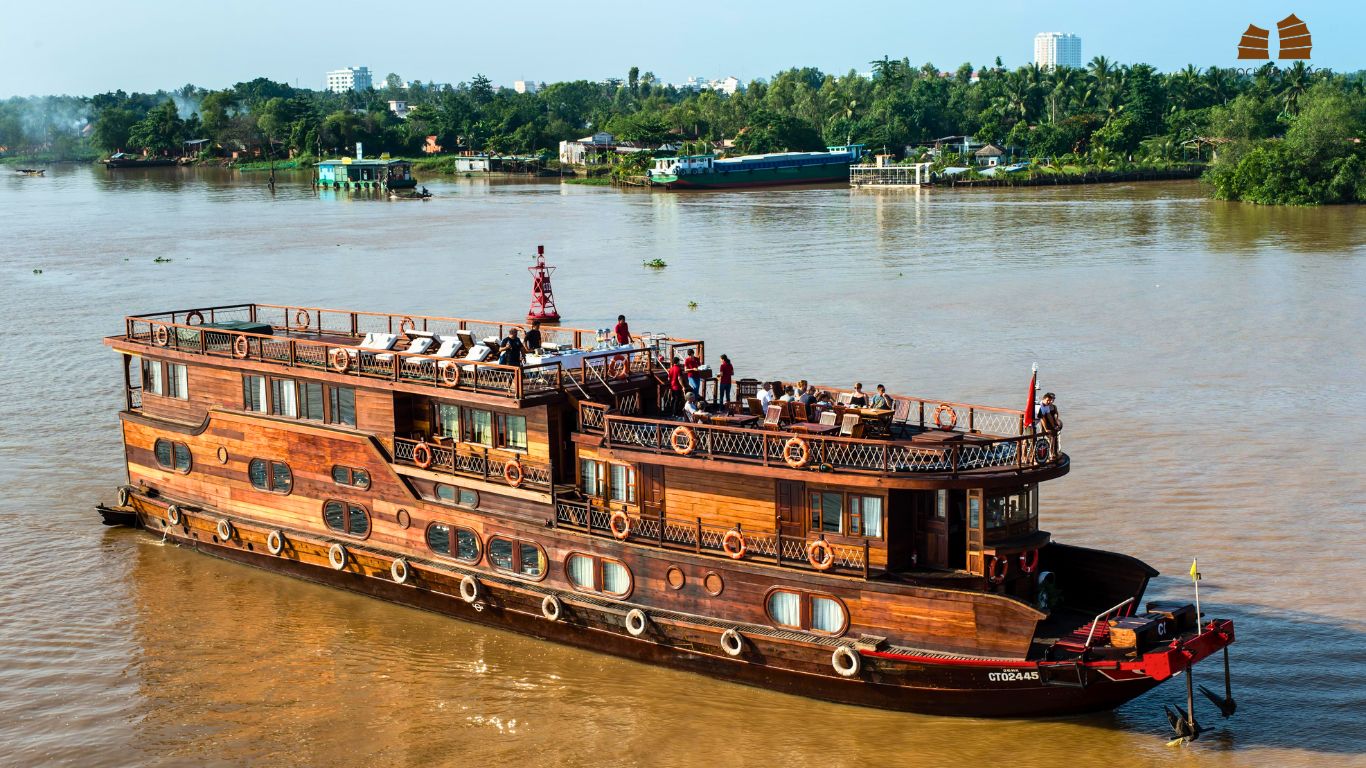
A Calm Cambodia Journey for Culture Lovers and Small Groups
If you love slow travel and want a deeper connection to Cambodia, this option will fit you perfectly. The Pandaw Cruise or Shompoo Cruise sits right in the middle of your journey because they suit couples, mature travelers, and small groups who prefer personal space and meaningful cultural encounters. You will enjoy quiet river scenes, warm interactions with local families, and light activities that stay comfortable for all ages. These boutique boats work well for travelers who want authenticity without stress.
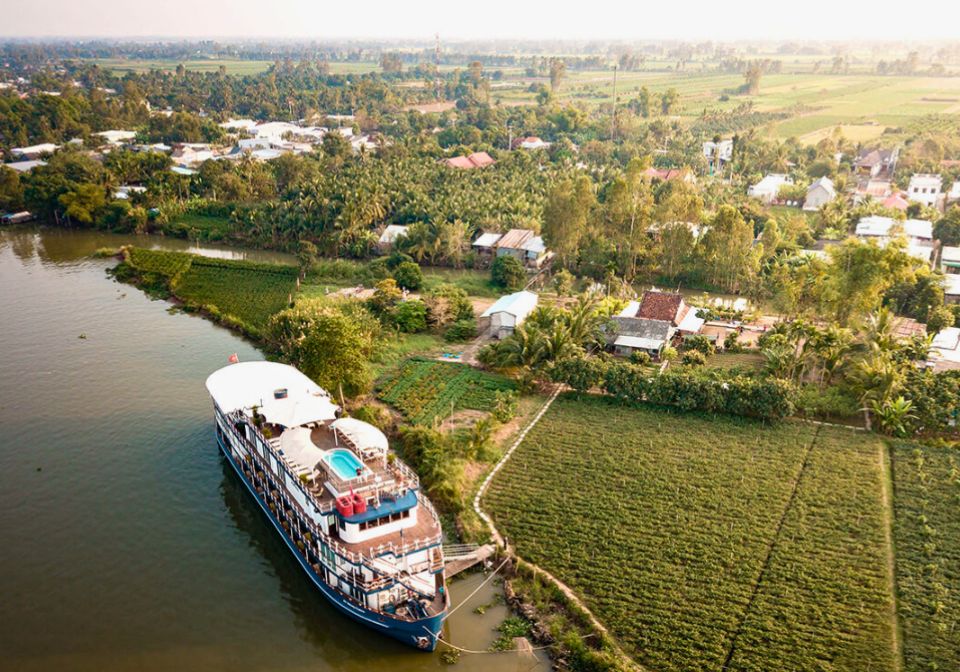
Luxury Comfort for Families and High-End Travelers
Many visitors want both cultural depth and the comfort that makes every day feel easy. You can explore Cambodia in style with the Princess Cruise or Le Grand Cruise, placed naturally here to guide you toward the right choice. These ships are ideal for wealthy families, honeymooners, and groups who value privacy, service, and elegant design. You will have spacious cabins, personalized attention, and flexible schedules that keep the trip smooth. This option is perfect if you want premium comfort while still enjoying Cambodia’s warm culture.
💡Experience the Mekong Delta in style with Luxury Mekong Cruises, offering unforgettable journeys through Vietnam and Indochina. For a broader adventure, Indochina Voyages creates customized itineraries that combine river cruises with land explorations. Contact us at [email protected] or visit our website to start planning your dream trip.
Practical Tips
-
Visa & Passport: Cambodia requires a visa (~$35 USD) and passports valid for six months.
-
Best Season: November–April (dry season) for easier navigation; May–October for wet-season scenery.
-
Clothing: Light, breathable fabrics; modest attire for villages and temples.
-
Health: Bring mosquito repellent, sun protection, and comfortable shoes.
-
Photography: Sunrise and sunset over the Mekong provide breathtaking opportunities.
-
Local Currency: Keep Cambodian Riel or USD for small village purchases.
-
Eco-friendly Travel: Avoid plastic waste; respect wildlife and local traditions.
- Local Currency: Local Currency: Cambodia mainly uses US dollars, while Riel is used for small purchases and change. Keep small bills for markets, tips, and villages..
FAQs
How long should I spend on the Cambodian Mekong?
A 2–4 day cruise offers a full experience, covering Phnom Penh, Tonle Sap, and Kratie.
Can I visit independently, or must I join a cruise?
Independent travel is possible, but cruises offer safety, comfort, and guided insights.
What makes the Mekong in Cambodia different from Vietnam’s Delta?
Cambodia’s Mekong is wilder, quieter, and more culturally immersive, with floating villages and river-based lifestyles less affected by tourism.
Is it family-friendly?
Yes, cruises cater to families with safe staterooms, short excursions, and engaging activities for children.
Are there wildlife opportunities?
Yes, freshwater dolphins, birds, and wetlands provide excellent eco-tourism experiences, especially near Kratie.