
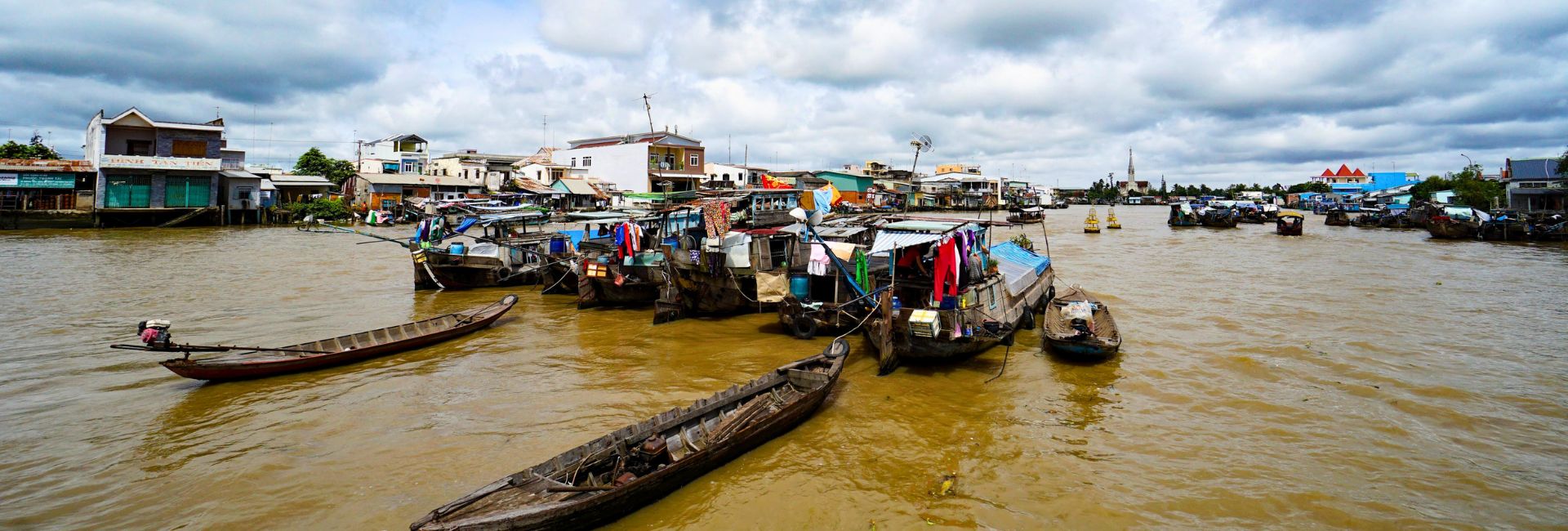
At dawn, the Mekong floating markets awaken in a swirl of color and sound. Mist rises from calm waters as wooden boats laden with fruit drift by, while traders call out to early risers. The aroma of ripe mangoes, rambutans, and freshly brewed coffee fills the air. This lively scene captures the soul of southern Vietnam, where life flows naturally along the rivers. Today, travelers can experience this fascinating river life from the comfort of a luxury Mekong River cruise or join a local sampan for an up-close view.
The Story Behind the Mekong Floating Markets
A Way of Life Born from Water
The Mekong Delta is a maze of rivers, canals, and lush islands. For generations, its people have relied on boats as their main form of transport. Markets naturally formed on water because the rivers connected villages better than roads. These floating gatherings soon became not only trading hubs but also the social heart of the community.
Cultural Roots and Community Bonds
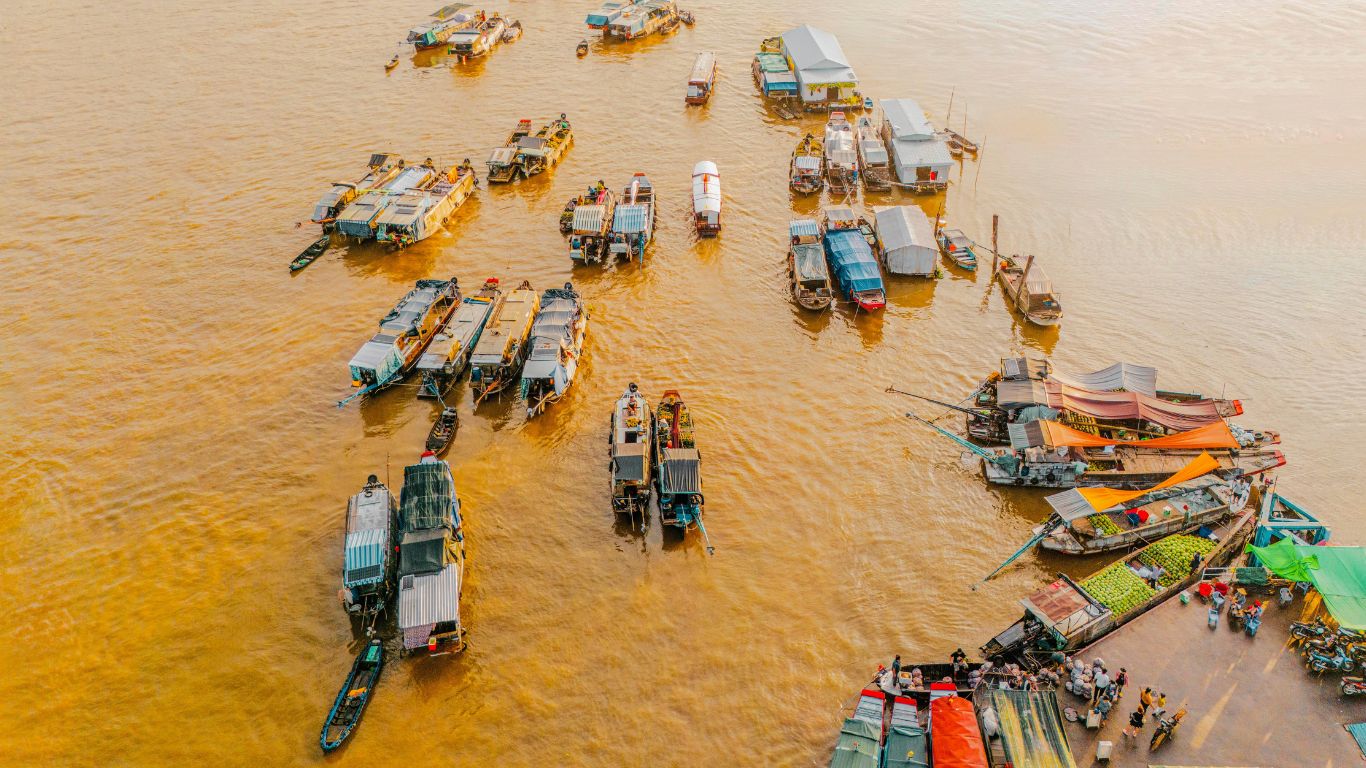
Beyond trading fruits or fish, these Mekong floating markets are places where people meet, share news, and pass on traditions. Early every morning, families rise before the sun, preparing their boats with fresh produce. Children play on the decks while parents set up for business. The river becomes a living community that never truly sleeps.
Modern Changes and Timeless Spirit
Bridges and highways have shifted much of the commerce to land. Today, fewer trading boats gather than before. Still, small vendors and traveling boats preserve the floating market spirit, offering travelers a glimpse of traditional river life. Each market tells its own story, from bustling trading hubs to serene local gatherings untouched by time.
Famous Mekong Floating Markets Along the River
Cai Be Floating Market – The Gateway to the Delta
At first light, Cai Be glows in gold. The water mirrors the sky as small boats drift by, loaded with fruit and flowers. Located in Tien Giang Province, just two hours from Ho Chi Minh City, Cai Be once thrived as one of the busiest markets in the Delta. Its floating stalls offered everything from rambutans and starfruits to seafood and poultry.
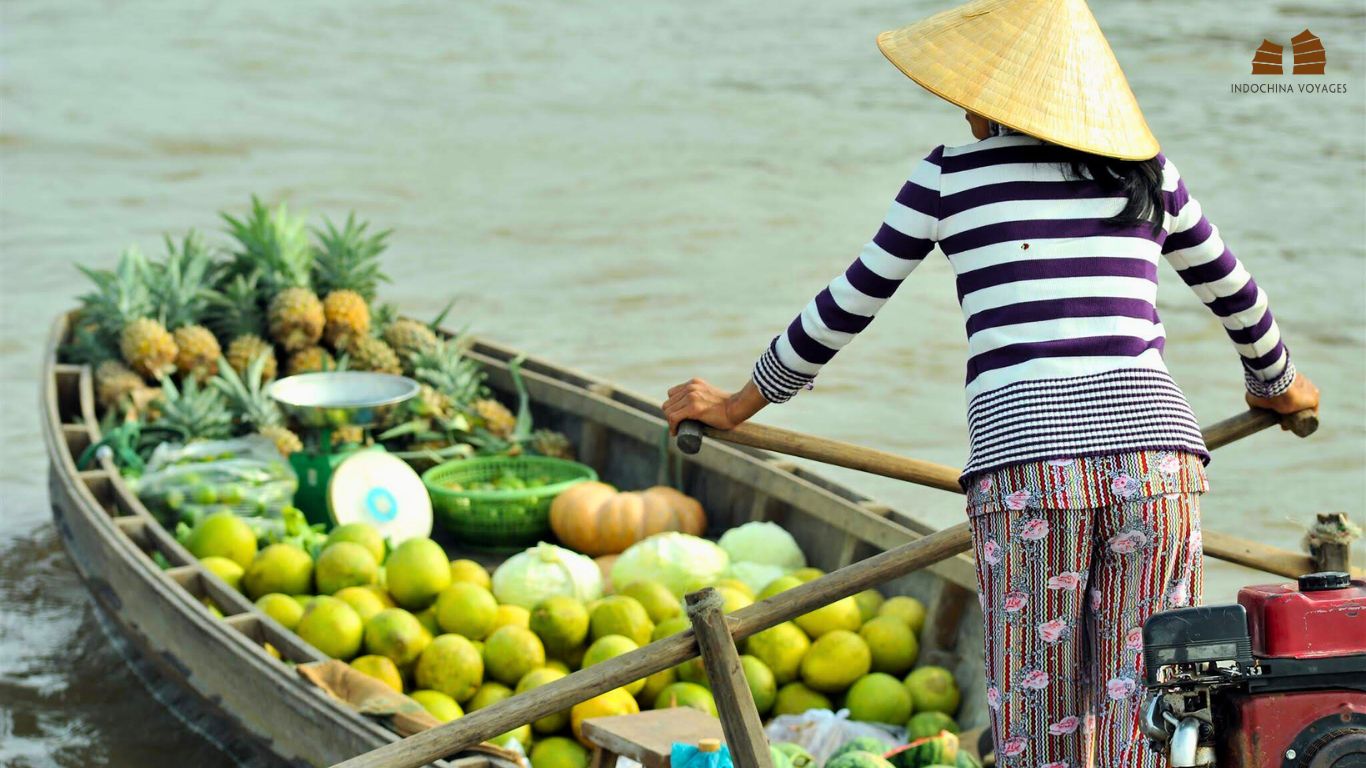
Although the number of boats has declined due to new bridges and land markets, Cai Be still offers travelers a taste of authentic river life. Arriving early, between 4 and 6 a.m., rewards you with peaceful beauty before tourist crowds appear.
Join a sampan to weave through small canals, visit traditional workshops, or cycle past fruit orchards nearby. These experiences reveal the Delta’s gentle rhythm. For those who want comfort and culture in one day, Cai Be is ideal.
Suggested tour: Feel The Mekong 1 Day Tour, it’s perfect for travelers seeking an authentic yet comfortable day escape.
Cai Rang Floating Market – The Beating Heart of the Mekong Delta
As dawn rises over Can Tho, Cai Rang bursts into life. Dozens of wooden boats cluster together, forming a floating city. Traders shout, engines hum, and the air fills with the aroma of hot noodles and strong coffee.
Families live on these boats, some for generations. Children wave while parents balance fruit baskets or peel pineapples in seconds. Each boat hangs a sample of its goods on a tall bamboo pole, a clever floating billboard for all to see.
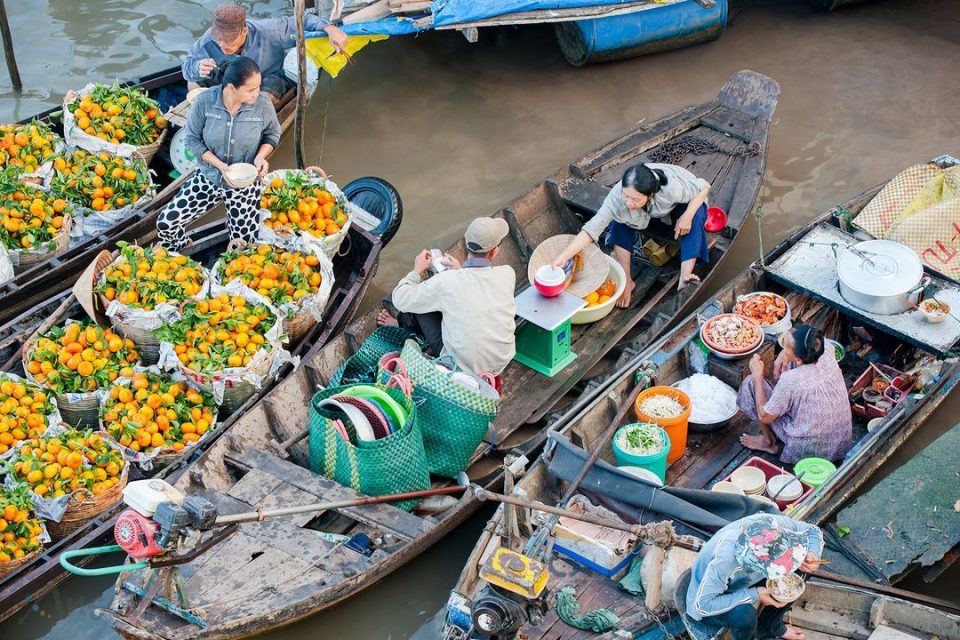
Breakfast here is a highlight. Enjoy a steaming bowl of Hu Tieu or a cup of fresh Vietnamese coffee as your boat drifts between merchants.
Most Mekong River cruises plan early stops here so guests can watch the market awaken under the sunrise glow. To get there, travel to Can Tho from Ho Chi Minh City (around 3–4 hours by road) and take a 30-minute boat ride from Ninh Kieu Pier. The best time is 4 to 6 a.m., when trading is at its most lively and the light is perfect for photos.
Suggested tour: Mekong At A Glance 2 Days, which combines Cai Rang’s energy with Can Tho’s cultural charm.
💡Experience the Mekong in style with Luxury Mekong Cruises, offering unforgettable journeys through Vietnam and Indochina. For a broader adventure, Indochina Voyages creates customized itineraries that combine river cruises with land explorations. Contact us at resa@luxurycruisemekong.com or visit our website to start planning your dream trip.
Hidden Gems – Lesser-Known Mekong Floating Markets
Phong Dien Floating Market – Where Time Slows Down
Only 20 km from Can Tho, Phong Dien’s charm lies in its simplicity. There are fewer motorized boats here and more hand-rowed sampans. Vendors chat, laugh, and even sing while selling vegetables and household goods. You’ll feel time slowing down as the sunlight touches the wooden boats. This is where the old Mekong rhythm still lives.
Long Xuyen Floating Market – The Local Heartbeat
Located in An Giang Province, Long Xuyen remains a working market, not a tourist show. Boats filled with cabbages, gourds, and leafy greens line up quietly as locals exchange goods and greetings. The river is wide, the fog soft, and the feeling deeply real. Here, you’re not watching a show for tourists. You’re watching life unfold naturally.
Tra On Floating Market – A Dawn-to-Dusk River Symphony
This is the last floating market on the Hau River before it flows into the East Sea. It starts before dawn, around 2 a.m., when vendors light small lanterns and prepare for the day. As the sun rises, boats overflow with fruits: mangoes, longans, dragon fruits, and durians, all shining in morning light.
Watching the river shimmer under the first rays while traders greet one another feels like witnessing a living ritual. It’s less crowded but deeply moving. It’s a quiet, poetic scene for those who rise early.
Suggested Luxury Mekong Cruises Visiting Floating Markets
Private & Intimate Journey on the Song Xanh Sampan
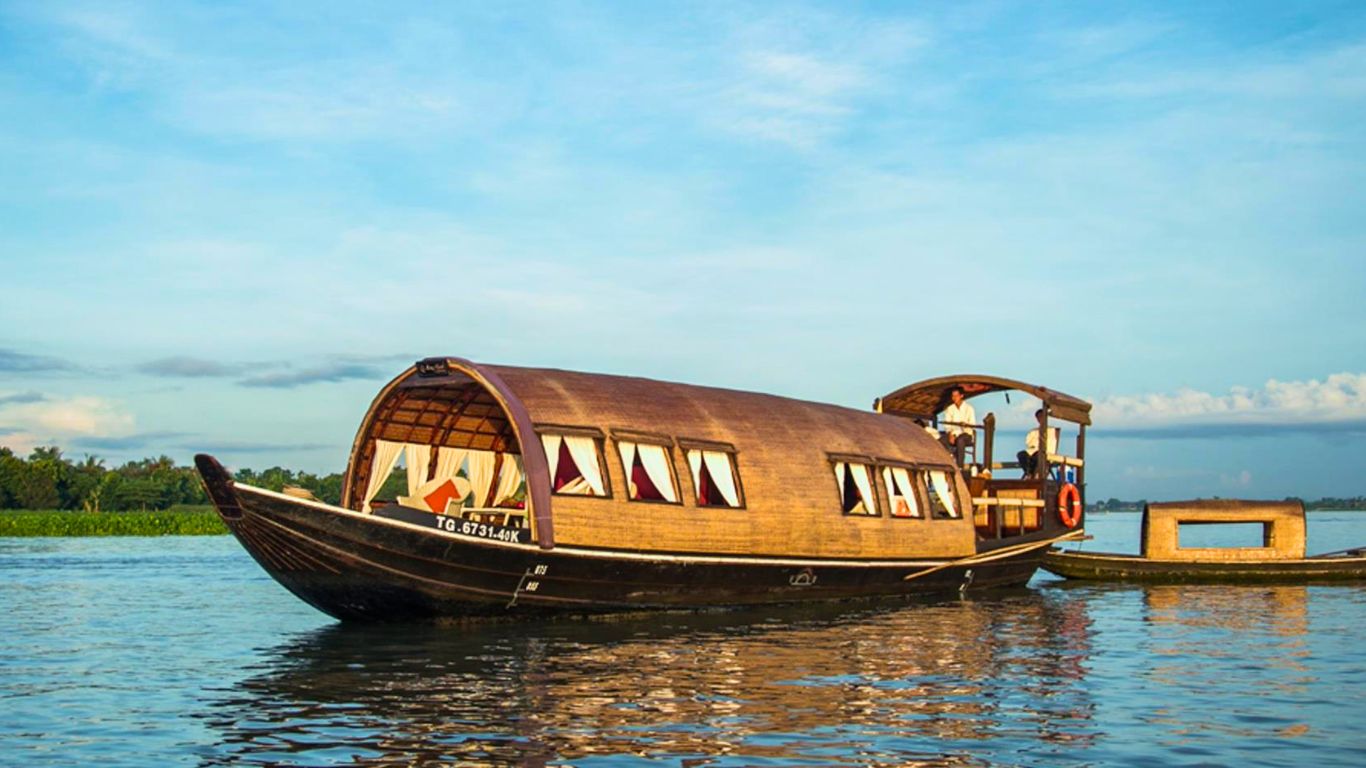
Embark aboard the Song Xanh Sampan Cruise for an exclusive and deeply personal exploration of the Mekong floating market landscape. This private-charter sampan, styled with bamboo and rattan accents, is ideal for couples or families seeking serenity and authenticity. Glide through narrow delta channels, witness early-morning market activity, and enjoy the warmth of the river’s daily rhythm all to yourself. Personalized service, off-the-beaten-path excursions, and the gentle pace of life aboard create a truly intimate river journey.
Elegant Comfort on the Mekong Navigator
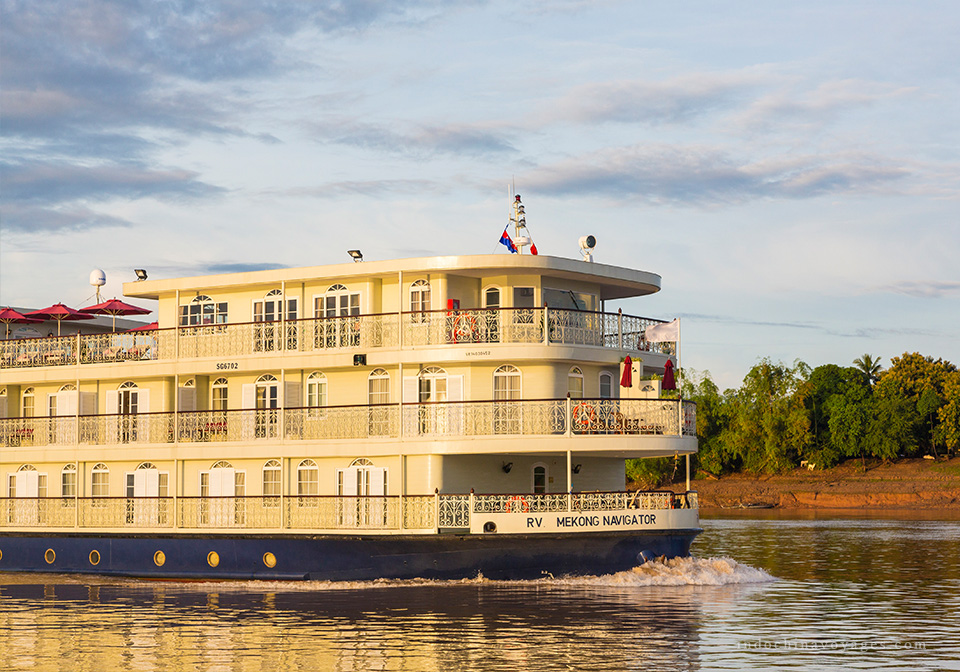
Step aboard the Mekong Navigator Cruise to experience refined luxury fused with cultural immersion as you explore the rich world of the Mekong floating market. With spacious suites, French-Colonial décor, and a superb staff-to-guest ratio, this riverboat offers effortless comfort between excursions. As you sail between Vietnam and Cambodia, each port from Cai Be to Phnom Penh becomes a window into local trade, heritage, and the river’s timeless flow.
Deluxe Horizons on the Victoria Mekong Cruise
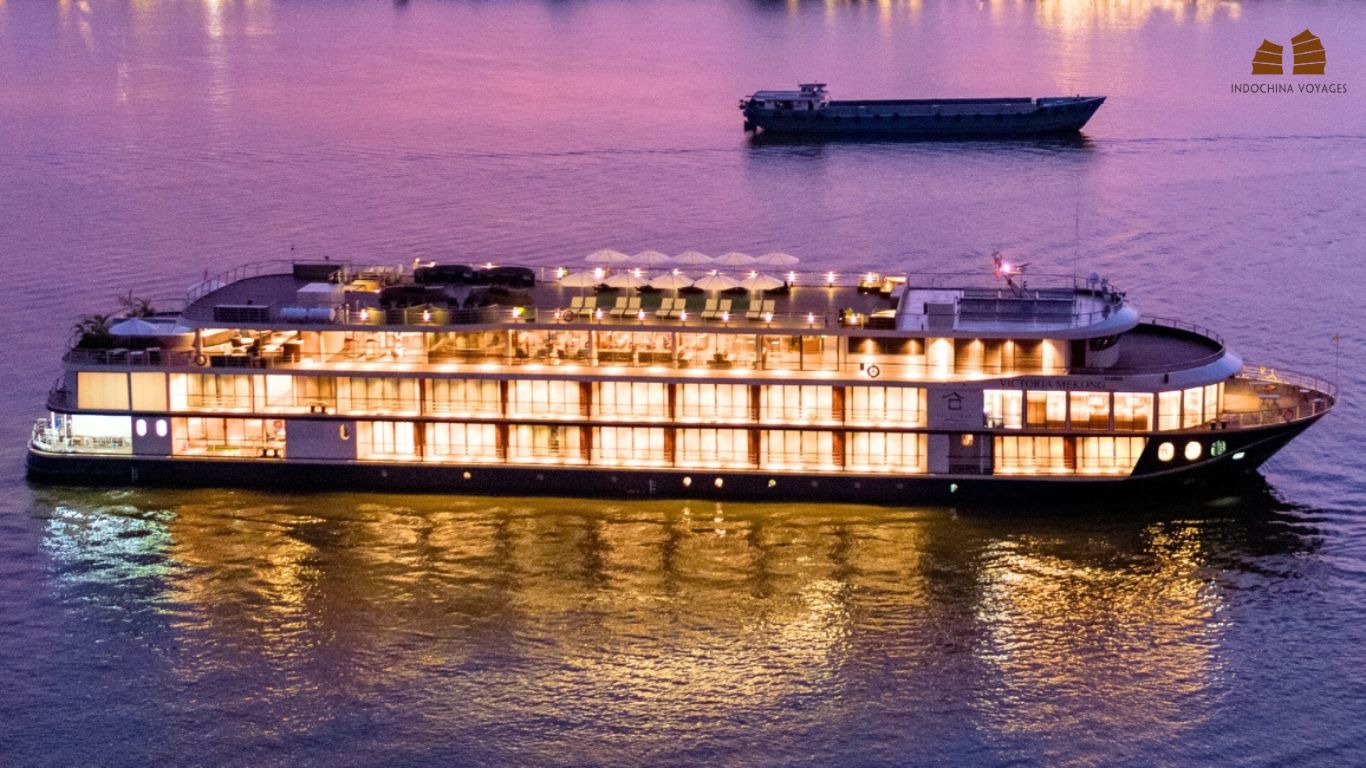
The Victoria Mekong Cruise redefines the concept of the Mekong floating market experience via its sleek design, refined comfort, and thoughtfully crafted itineraries. Cruising through the heart of the delta and into Cambodia, you’ll join early-morning market visits, handcrafted cottage stops, and riverside orchards. All delivered with five-star service aboard a vessel designed for modern travelers with discerning taste.
Preparing for Your Mekong Floating Market Visit
Visiting a Mekong floating market is both cultural and sensory. To make the most of it, here are some helpful tips:
-
Best visiting hours: 4–6 a.m. offer the most authentic experience and perfect photography light.
-
Weather & timing: Dry season (Nov–Apr) is calm, sunny, and ideal for river cruising.
-
Expect fewer boats: Markets are smaller than decades ago, but this adds to their peaceful charm.
-
Cash & etiquette: Bring small notes, smile often, and greet vendors politely.
-
Experience options:
-
Day visitors: You can join a local sampan or private boat.
-
Luxury travelers: If you pick multi-day Mekong River cruises, they offer comfort, timing, and cultural depth.
-
Beyond the Delta, Vietnam has other waterway wonders as Halong Bay’s limestone cliffs, Ninh Binh’s serene rivers, and Hue’s dragon boats. Yet only in the Mekong will you truly see life floating before your eyes.

FAQs
What is the best time to visit a Mekong floating market?
The best time is between 4 and 6 a.m., when trading is most active and the light is magical.
Are floating markets still active today?
Yes, though smaller than before. Locals now use land markets more, but many still trade by boat, keeping the tradition alive.
How can I visit a floating market from Ho Chi Minh City?
You can take a day trip to Cai Be or join a two-day Mekong cruise that visits Cai Rang and smaller canals.
What should I bring on a visit?
A hat, sunscreen, small cash, and a camera. Early mornings can be cool, so a light jacket is helpful.
Is visiting a floating market worth it?
Absolutely. It’s a cultural window into Vietnam’s river life. One that still flows, even as times change.