
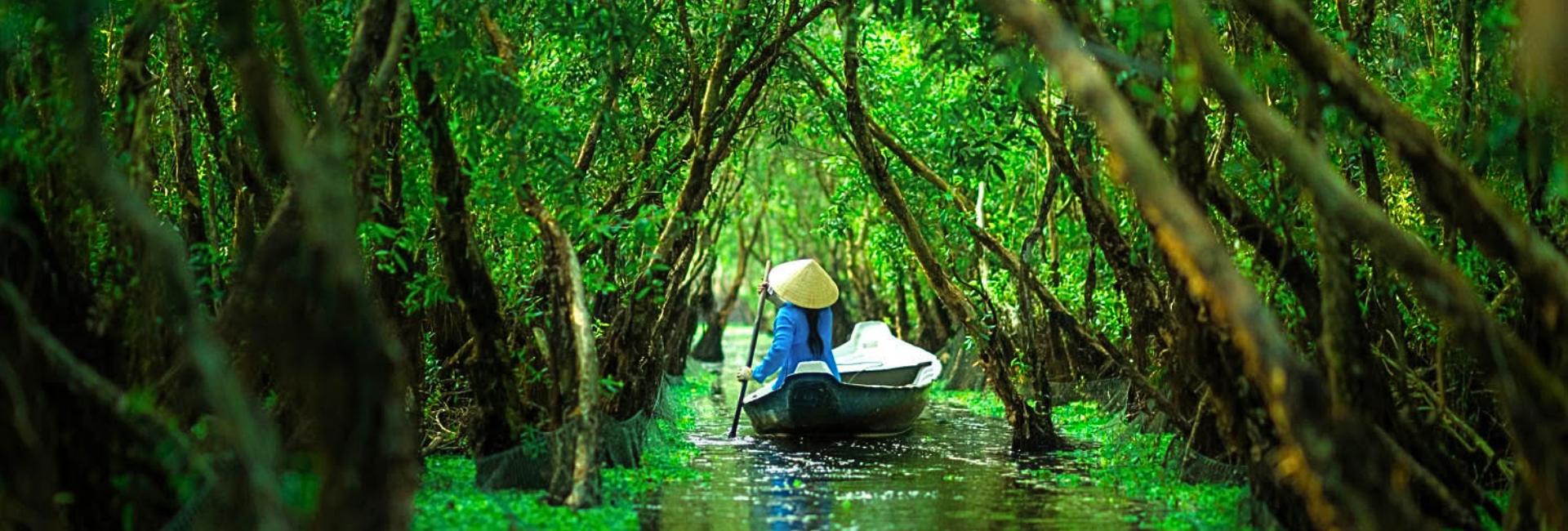
August is when the Mekong Delta transforms. The tourists go home. The floodwaters arrive. What replaces the dry-season crowds is something far more compelling: electric green landscapes, flooded forests, and a hotpot dish made from ingredients that exist for only a few weeks each year. Most travelers miss all of it entirely.
This guide is written for those who will not. Whether you are a food traveler, a photographer, or simply someone who prefers authentic experiences over crowded ones, August in the Mekong Delta was made for you.
Mekong Delta Weather in August
Understanding August weather is the first step to planning well. The season is predictable once you know its rhythm, and that rhythm is genuinely manageable. For a full breakdown of how the weather shapes travel across every month, the Mekong Delta weather guide covers it all in detail.
Temperature and Humidity
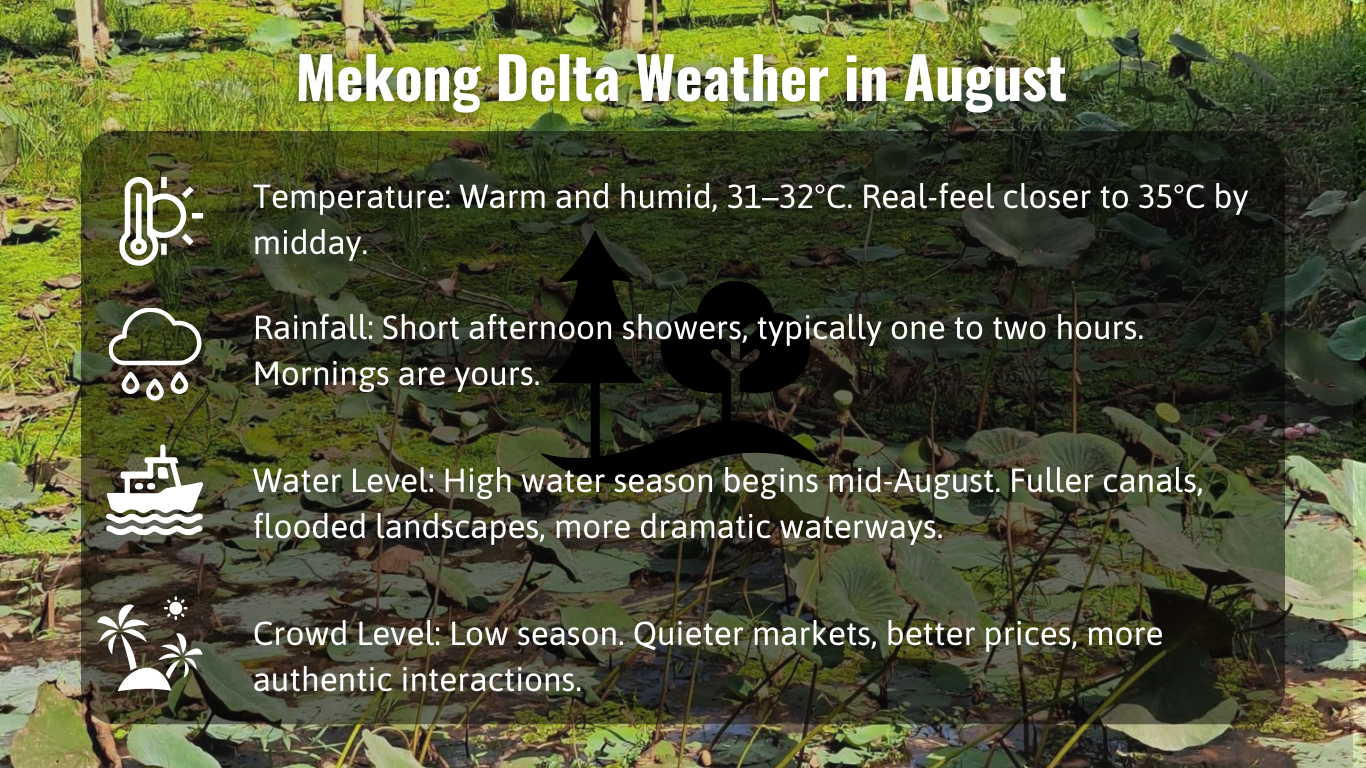
Daytime temperatures sit around 31 to 32 degrees Celsius throughout August. Humidity pushes the real-feel closer to 35 degrees by midday. Nights stay warm and offer little relief. Light, breathable clothing is essential, not optional. Mornings before 9 am are cooler, golden, and far more comfortable for outdoor activity.
Rainfall Patterns
Rain in August follows a consistent rhythm. Mornings are almost always clear. Showers arrive mid to late afternoon, typically lasting one to two hours before clearing. Occasional heavier spells happen but rarely last more than a day. Build your itinerary around mornings and rain stops feeling like a problem entirely.
River and Canal Conditions
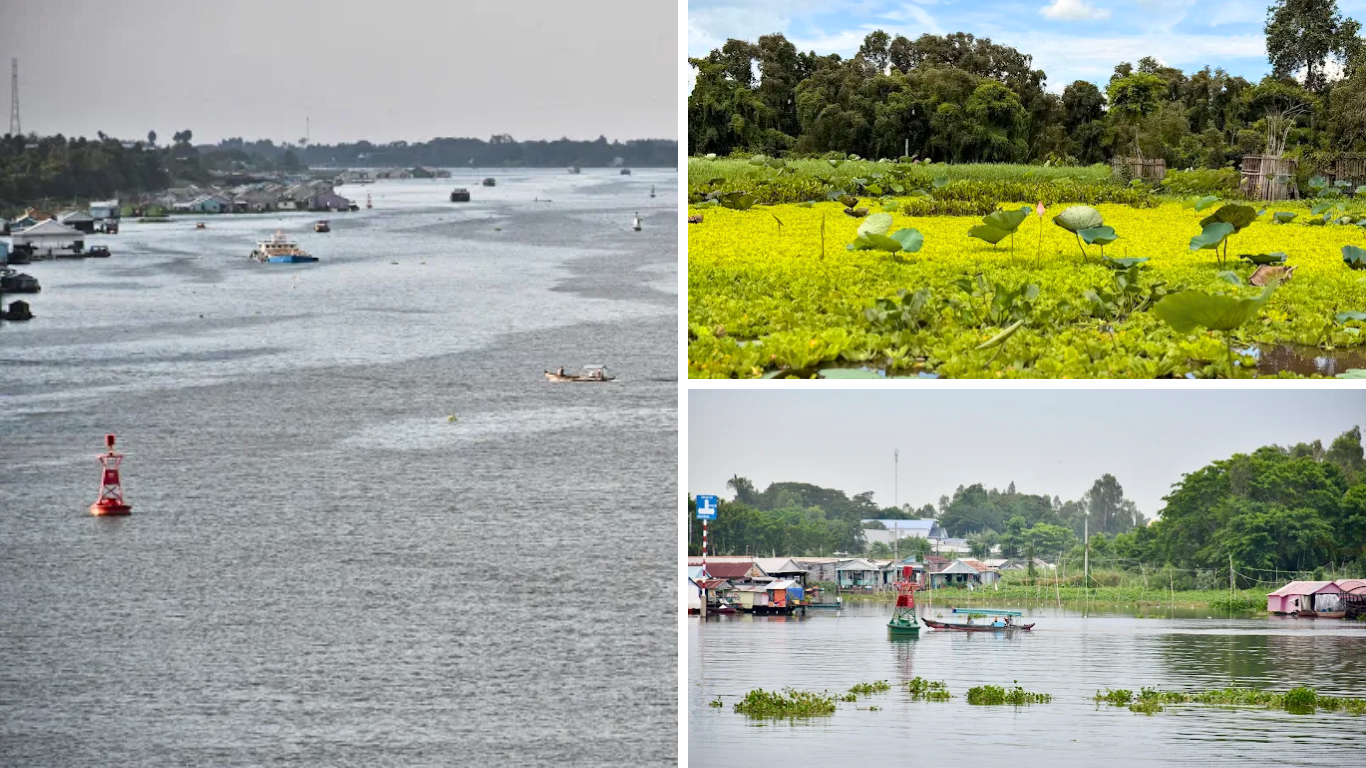
Mid-August marks the shift into high water season. Floodwaters from the upper Mekong push south into Vietnam, deepening canals and widening waterways. Floating markets become more dramatic. Forests flood into mirror-like waterscapes. This shift is visible everywhere and defines the entire August travel experience.
August vs July: Is There Actually a Difference?
Weather-wise, July and August look nearly identical on paper. On the ground, August pulls ahead in three clear ways. First, mid-August begins high water season while July remains transitional. Second, ca linh non, the young flood-season fish, arrive in August. Third, Dong Thap’s lotus fields reach full bloom as rising water feeds the roots. Same rain, genuinely different experience.
Is August a Good Time to Visit the Mekong Delta?
The answer depends entirely on what kind of traveler you are. August rewards those who lean into the season. To understand its value clearly, the most useful comparison is not July versus August but August versus December, the two opposite ends of the Mekong travel spectrum.
August vs December: Two Completely Different Mekong Deltas
| August | December | |
|---|---|---|
| Landscape | Lush, flooded, electric green | Golden, dry, low water |
| Crowds | Quiet, mostly local | Peak international tourists |
| Prices | Budget-friendly | Peak season rates |
| Flood-season food | Ca linh non, bong dien dien, hotpot | None available |
| Floating markets | High water, dramatic, boats spread wide | Concentrated, more tourists |
| Tra Su Forest | Fully flooded, magical boat trips | Dry, far less atmospheric |
| Lotus fields | Peak bloom in Dong Thap | Not in season |
These two months are a completely different journey with their own food, their own atmosphere, and their own rewards.
Pros of Visiting in August
The landscapes are at their most dramatic, half-submerged and electric green. International tourist numbers drop significantly, so floating markets feel like genuine local commerce. Accommodation and private tour pricing soften from peak season rates, giving real budget flexibility. Above all, the food calendar opens exclusively in August. Seasonal ingredients appear that no other month can offer. That combination of scenery, space, and food makes August genuinely compelling.
Honest Drawbacks to Consider
Afternoons belong to the rain, so any activity running past 2 pm needs a backup plan. Combined heat and humidity make midday draining even for experienced tropical travelers. Some rural roads in Dong Thap and An Giang flood and can become impassable, so remote trips benefit from checking local conditions first. Worth noting: ca linh non reaches peak flavor in September and October. August is early season, which means smaller, more delicate fish rather than the fully developed catch.
Who Is August Best For?
Food travelers chasing hyper-seasonal ingredients will find August unmatched. Photographers hunting lotus fields, flooded forests, and unposed market scenes will struggle to find a better month. Nature lovers drawn to flood-season ecosystems thrive here. Budget-conscious travelers gain real value. Anyone who actively dislikes crowds will feel immediately at home.
What Makes August Unique in the Mekong Delta?
August is not simply the wet season with extra rain. It is the moment the Delta transforms into something its dry-season visitors would barely recognize. Each element of that transformation is worth understanding before you arrive.
The Shift Into High Water Season
Mid-August is the turning point. Floodwaters from the upper Mekong River push south into An Giang and Dong Thap, and locals prepare with anticipation rather than dread. The water brings alluvium that enriches farmland, fish that fill canals and rice fields, and an income season that sustains communities for months. August sits in a sweet spot: the flood season is active and dramatic, but the heavier inundation of October has not yet arrived.
The Flood-Season Ingredients That Only Exist Right Now
Two ingredients define August more than anything else. Ca linh non are young linh fish migrating south from the upper Mekong as floodwaters rise. Their bones are completely soft at this stage. You eat them whole, and that texture, delicate and sweet, exists only briefly before the fish grow and the season moves on.
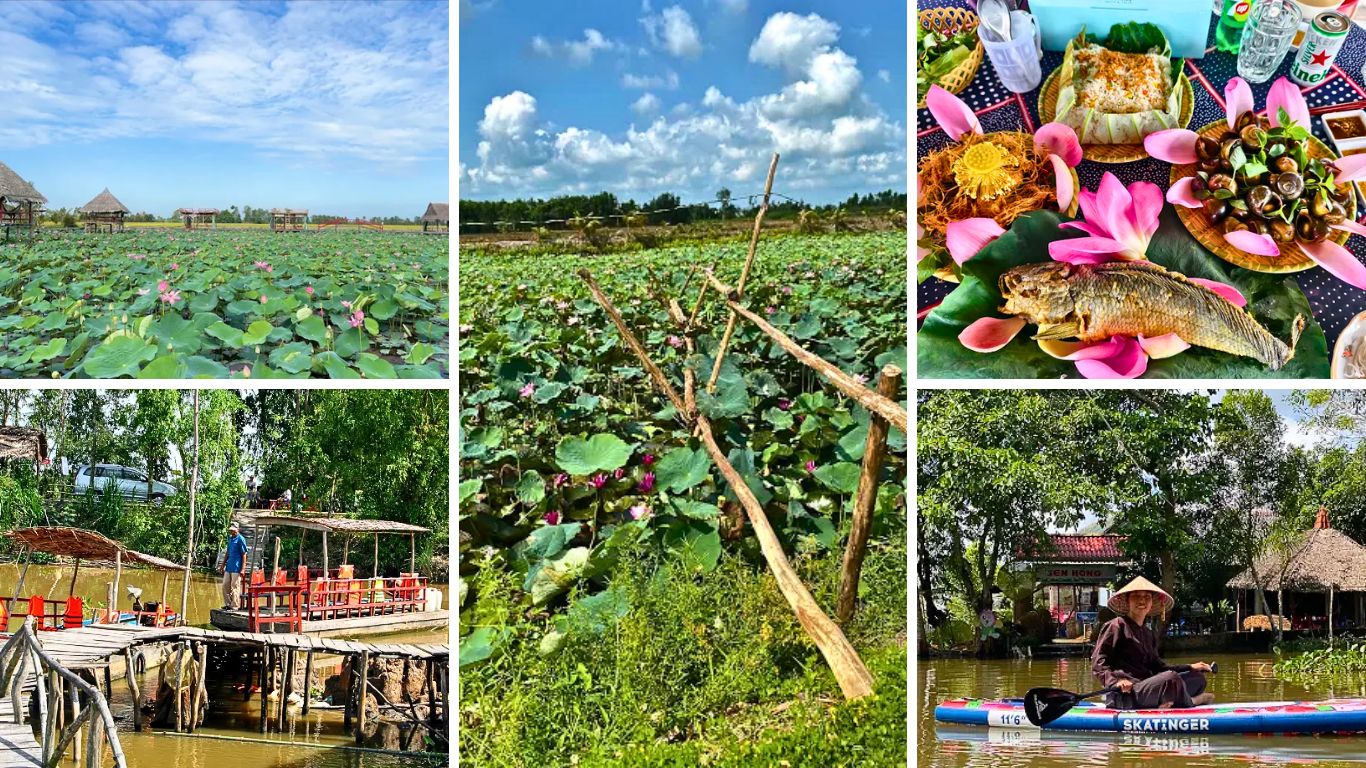
Bong dien dien are sesbania flowers that bloom precisely when floodwaters arrive. Bright yellow, slightly bitter, and crispy, they grow wild along flooded field edges and canal banks. Together, these two create lau ca linh bong dien dien, a hotpot impossible to eat outside of August through October. This is the food case for August, and it is a strong one.
Lotus Fields of Dong Thap at Peak Bloom
Rising floodwaters feed the lotus fields of Dong Sen Thap Muoi through August, pushing the bloom to its fullest expression. Fields of pink and white flowers stretch to the horizon, reflected in shallow water beneath them. Dawn visits are essential. Mist sits low on the surface, light is soft, and the flowers open slowly as the sun rises. For photographers, this is one of the most compelling reasons to plan a trip around August specifically. The Dong Thap lotus field guide covers the best access points and timing in full.
A Quieter, More Local Mekong
International tourist numbers sit at their lowest compared to the November through February peak. August falls after July’s similar conditions and before September’s heavier flooding. That positioning creates a window of genuine calm. Fishing communities, market vendors, and farming families go about their days without an audience, and joining that rhythm, even briefly, is the kind of travel experience that stays with you.
Best Things to Do in the Mekong Delta in August
Every province in the Delta offers something distinct in August. Here is where to go and what to do when you arrive, organized by destination so your planning is as practical as possible.
Can Tho: Floating Markets at Their Most Dramatic
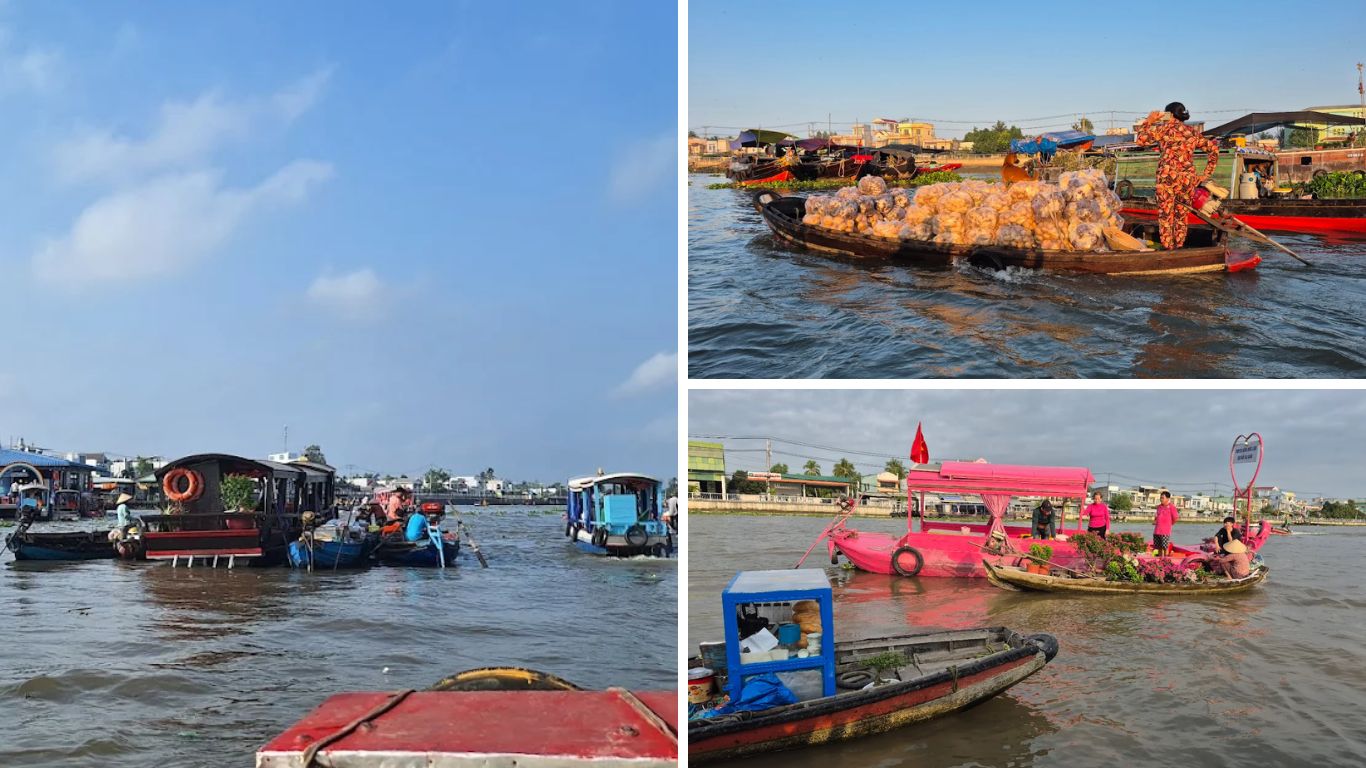
Cai Rang floating market is one of those places that looks good year-round. August, however, gives it something the dry season cannot match. As water levels rise mid-month, boats sit higher, produce stacked tall becomes more vivid, and the market spreads across a broader stretch of river. The scene is more cinematic, though it calls for a different photographic approach. Wide-angle shots work far better than close-ups here, where the spread of boats rewards a broader frame.
Making the Most of Your Morning
Arriving before 6 am is essential. Markets wind down by 8 to 9 am regardless of the season. After the market, a slow canal cruise back toward the city center lets the morning unfold at the right pace. Evenings along the Ninh Kieu waterfront offer riverside restaurants with the kind of Mekong cooking that no tourist-facing menu quite replicates. Getting there from Ho Chi Minh City is straightforward, and the Can Tho transport guide covers all the options clearly.
Want to experience Cai Rang the right way? Our team arranges private early-morning floating market tours with a local guide who knows exactly where to position you for the best light and most authentic interactions. Explore Mekong Delta tours here.
Ben Tre: Coconut Canals at Their Greenest
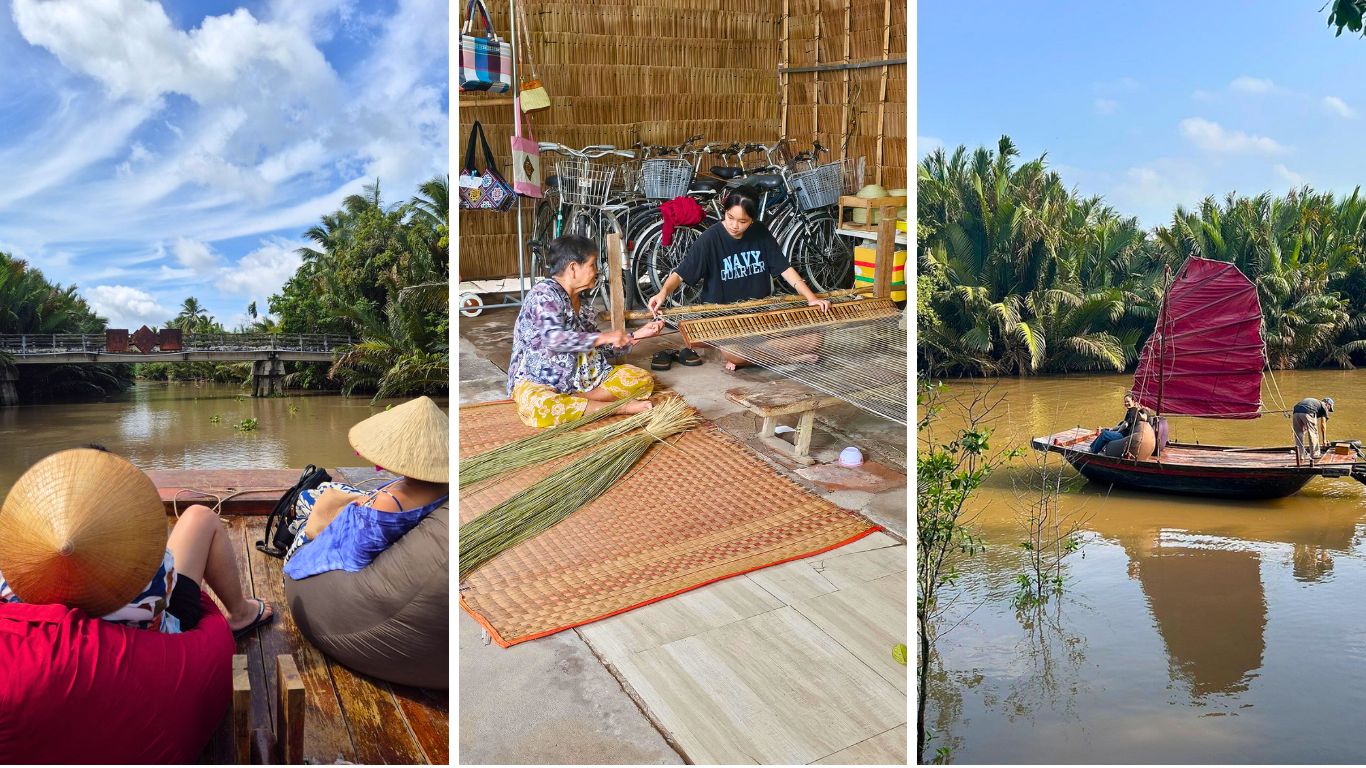
Ben Tre in August is what happens when a naturally beautiful landscape gets the saturation turned up. Coconut palms lining the narrow canals grow denser and greener with every week of rain. Canal water reflects that greenery in a way that low dry-season waterways simply cannot match. A sampan ride through Ben Tre’s waterways in August is one of those quietly extraordinary experiences that do not appear on enough itineraries.
Beyond the Canals
Local coconut workshops, producing candy, oil, and traditional handicrafts, welcome visitors throughout the year. August adds the texture of watching communities adapt to rising water around them. Morning cycling through the surrounding countryside, before the afternoon rain arrives, takes you through rice paddies and small fishing settlements running entirely on their own terms. The Ben Tre destination guide and the practical things to do in Ben Tre guide are both worth reading before you plan your days here.
An Giang: The Heart of Flood Season
An Giang is where August becomes most tangible. Closest to the Cambodian border, this province receives floodwaters first and carries the flood-season culture most deeply. Morning markets in Chau Doc and Long Xuyen fill with ca linh non sold directly from fishing boats, still shining and alive. Local cooks buy them by the kilo and turn them into hotpots by lunchtime. Watching that transaction, from river to table in a matter of hours, is as close as food travel gets to its source.
Tra Su Forest and the River Route
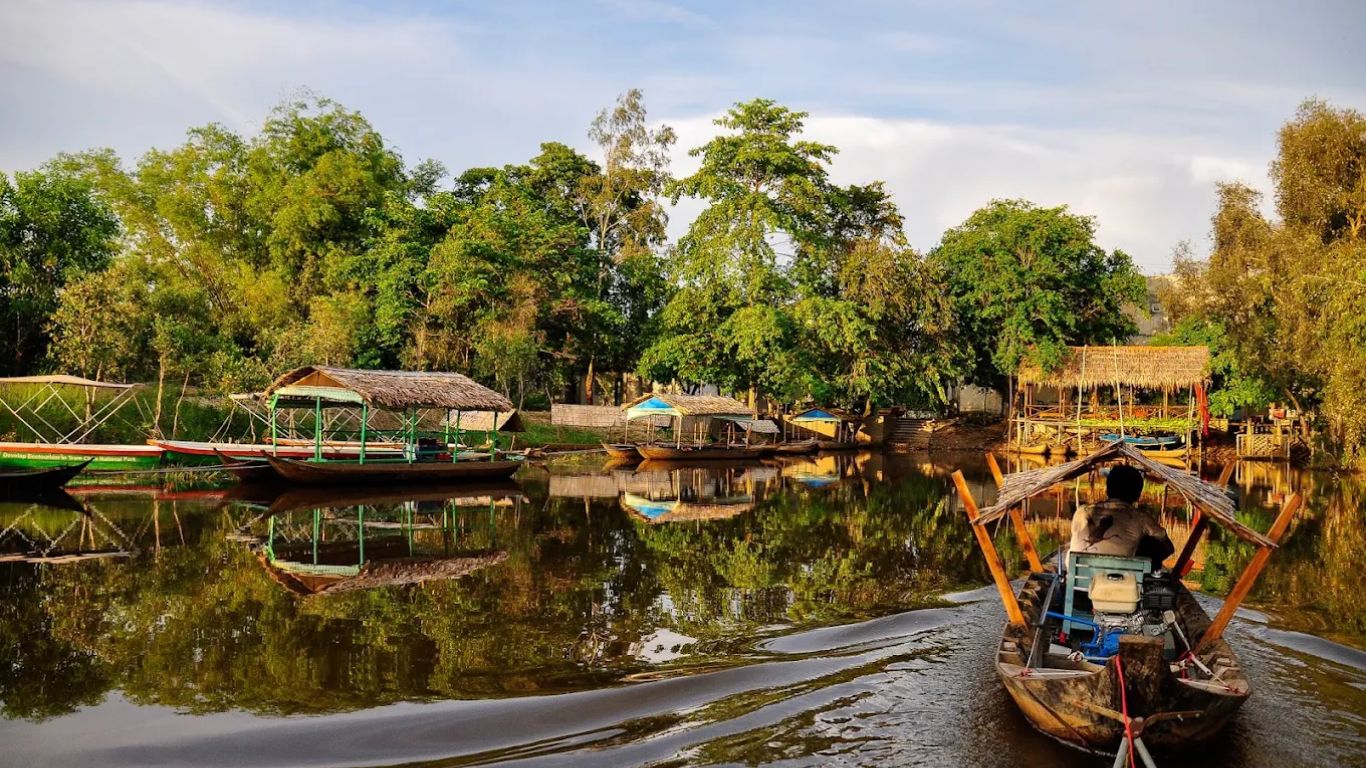
Tra Su Cajuput Forest sits just outside Chau Doc and earns its reputation most fully in August. Annual flooding transforms it into a labyrinth of submerged trees reflected perfectly in dark water. Boat trips move slowly through the corridors, passing nesting water birds, lotus clusters in forest clearings, and occasional bat colonies overhead. Allow at least half a day and go in the morning when wildlife is most active. The An Giang water area guide covers the broader region in useful detail. For travelers continuing into Cambodia, the Chau Doc to Phnom Penh boat journey is a natural and rewarding extension.
Planning a private journey through An Giang? Our team designs custom itineraries combining Tra Su Forest, local market visits, and the Chau Doc river crossing into one seamless experience. Contact us here, and we will build the route around your schedule.
Dong Thap: Lotuses, Wetlands, and Silence
Dong Thap is the quietest province in the Delta in August. That quietness is part of what makes it so rewarding. Lotus fields at Dong Sen Thap Muoi are the main event. Fed by rising floodwaters throughout August, blooms reach their fullest expression before deeper September flooding shifts conditions again.
Dawn at the Lotus Fields
Dawn is the only time worth visiting. Mist sits low over the water. Flowers are still closed against early light. As the sun clears the tree line, the whole field opens simultaneously. It is a scene photographers plan entire trips around, and rightly so. The complete Dong Thap lotus field guide includes the best access points and seasonal timing.
Tram Chim National Park
Beyond the lotus fields, Tram Chim National Park draws a different kind of visitor. Seasonal wetland ecosystems created by August floodwaters support significant waterbird populations, including species absent during the dry season. Nature-focused travelers can combine lotus field photography with birdwatching in Dong Thap without doubling back between locations.
What to Eat in the Mekong Delta in August
The Mekong Delta has excellent food year-round. August, however, brings a category of ingredients and dishes that exist nowhere else and at no other time. If food is any part of why you travel, this is the most important section in this guide.
The Dish That Defines August: Lau Ca Linh Bong Dien Dien
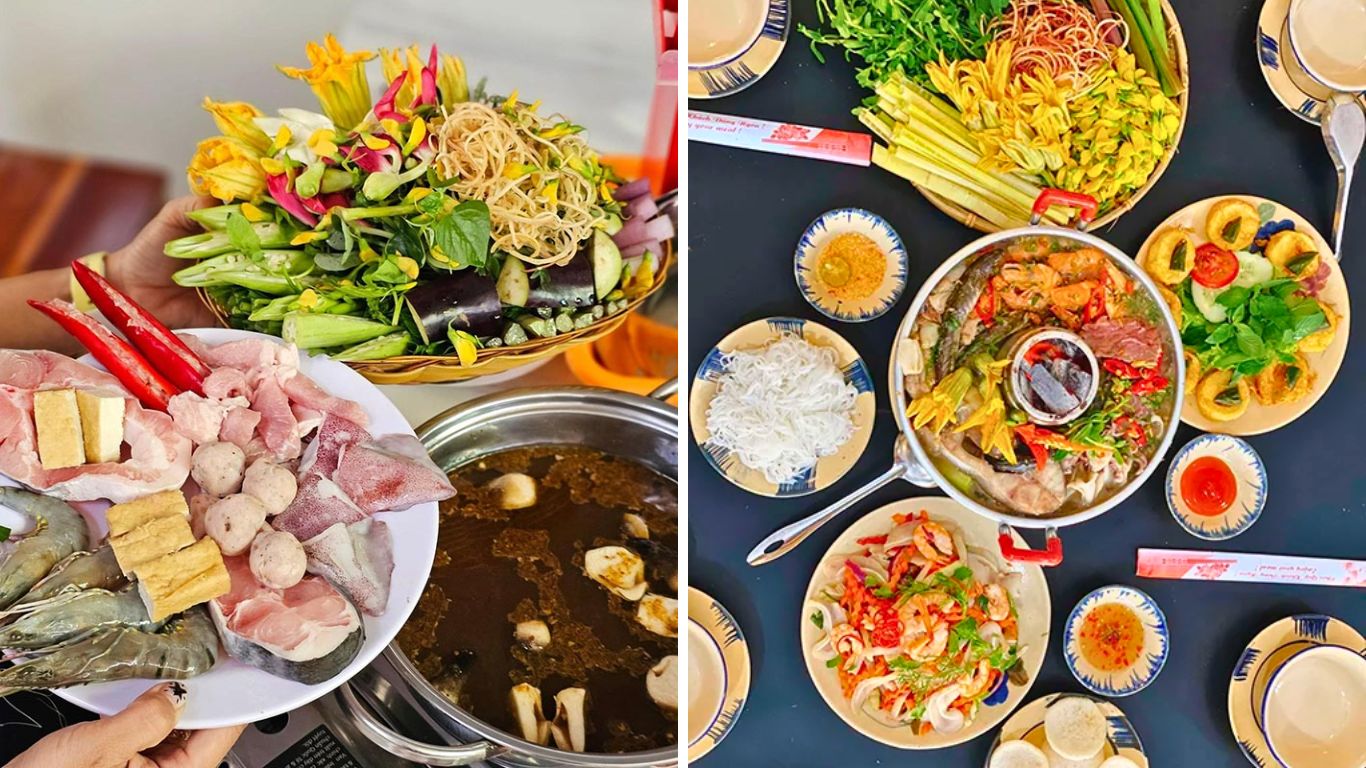
Every season has a defining dish somewhere in the world. In the Mekong Delta, August is lau ca linh bong dien dien. A hotpot combining young linh fish with sesbania flowers, it appears on riverside family restaurant tables across An Giang and Dong Thap from August through October, then vanishes completely until the following flood season.
How It Is Made and Where to Find It
The broth is built on coconut water and pork or chicken stock, fragrant with lemongrass. Flowers add a crisp, lightly bitter edge that balances the sweetness of the young fish perfectly. You will not find this dish at tourist-facing restaurants in Can Tho. Look instead for places with plastic stools and a river view, where the fish came in that morning. Ask locally in Chau Doc or Long Xuyen, and someone will point you exactly where to go.
The Two-Star Ingredients
Ca Linh non deserves their own moment. These young fish migrate south from the upper Mekong each August, entering Vietnam through An Giang’s border waterways. Bones are completely soft at this stage, eaten whole, giving a texture and richness unlike anything available at other times of year. As September and October arrive, the fish grow larger, and bones begin to firm, changing the experience entirely. August is early season: smaller fish, more delicate flavor, and a quality that feels genuinely precious because of how briefly it exists.
Bong dien dien bloom in direct response to rising floodwaters. Bright yellow clusters appear along canal banks and flooded field edges throughout August. Found in hotpots, stir-fried with garlic, and in light soups, they always bring a distinctive bitter crispness. Spotting them at local morning markets is easy once you know what to look for: bright yellow bundles sold alongside the catch of the day.
Other Flood-Season Dishes Worth Seeking
Crispy ca linh fried whole with bong dien dien is a simpler preparation that lets both ingredients speak without distraction. Goi bong sung, a salad made from water lily stems, is another flood-season exclusive appearing on local menus from August onward. For the more adventurous, field mouse grilled over charcoal is a genuine local delicacy that divides travelers firmly into two camps. Try it once, if only for the story it produces.
Tropical Fruits and Where to Eat Well
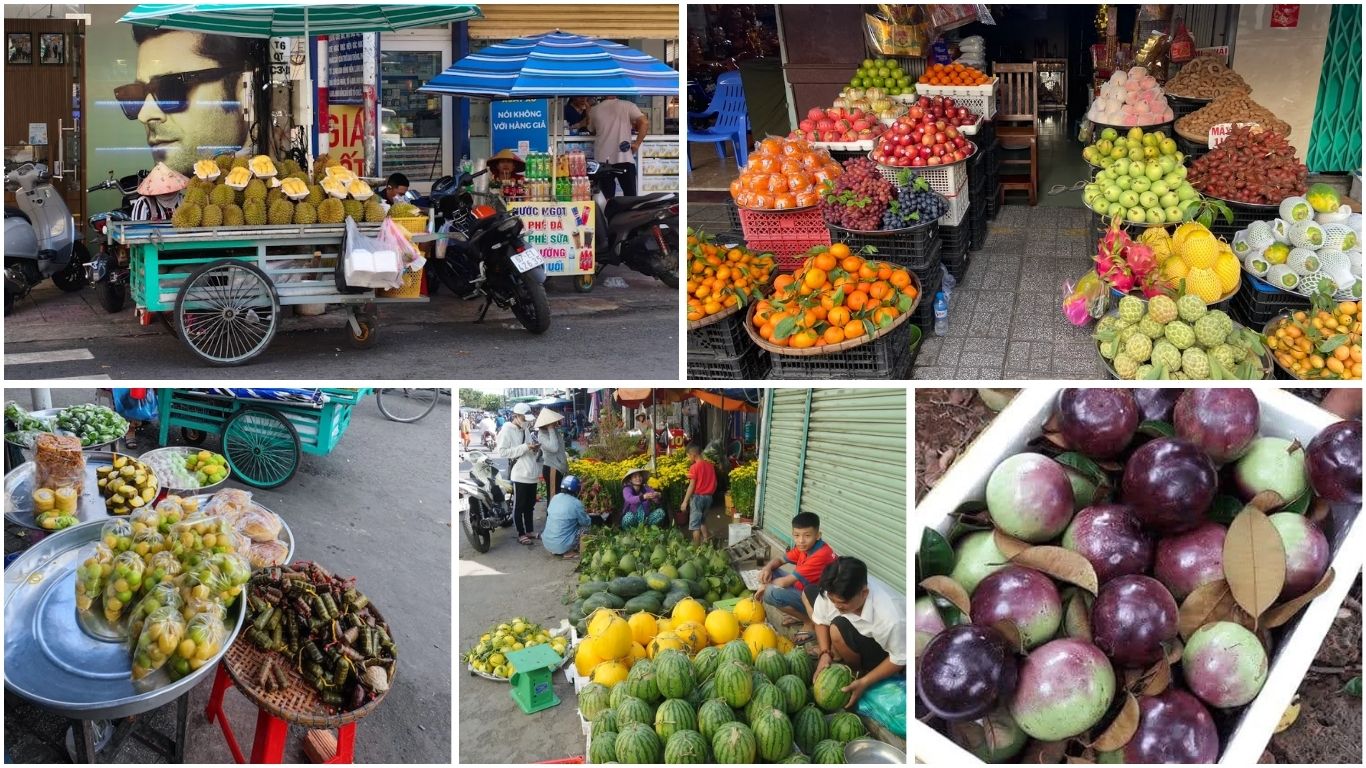
August sits at the tail end of the Delta’s great fruit season. Durian is at its very last stretch, meaning last-chance pricing and the ripest fruit of the year. Pomelo, grapefruit, and longan remain widely available. Orchard visits in Ben Tre work well as a morning half-day, combining tasting with a glimpse of how growers manage rising water around their trees.
For the best flood-season eating, morning markets in Chau Doc and Long Xuyen are the right starting point. Arrive before 7 am to watch ca linh non weighed and sold straight from overnight fishing boats. For cooked meals, riverside family restaurants in An Giang deliver the most direct access to flood-season cooking. In Can Tho, a floating market breakfast, bun rieu or hu tieu eaten on a small boat as the market wakes around you, is worth prioritizing on a first morning.
Suggested Mekong Cruises for August
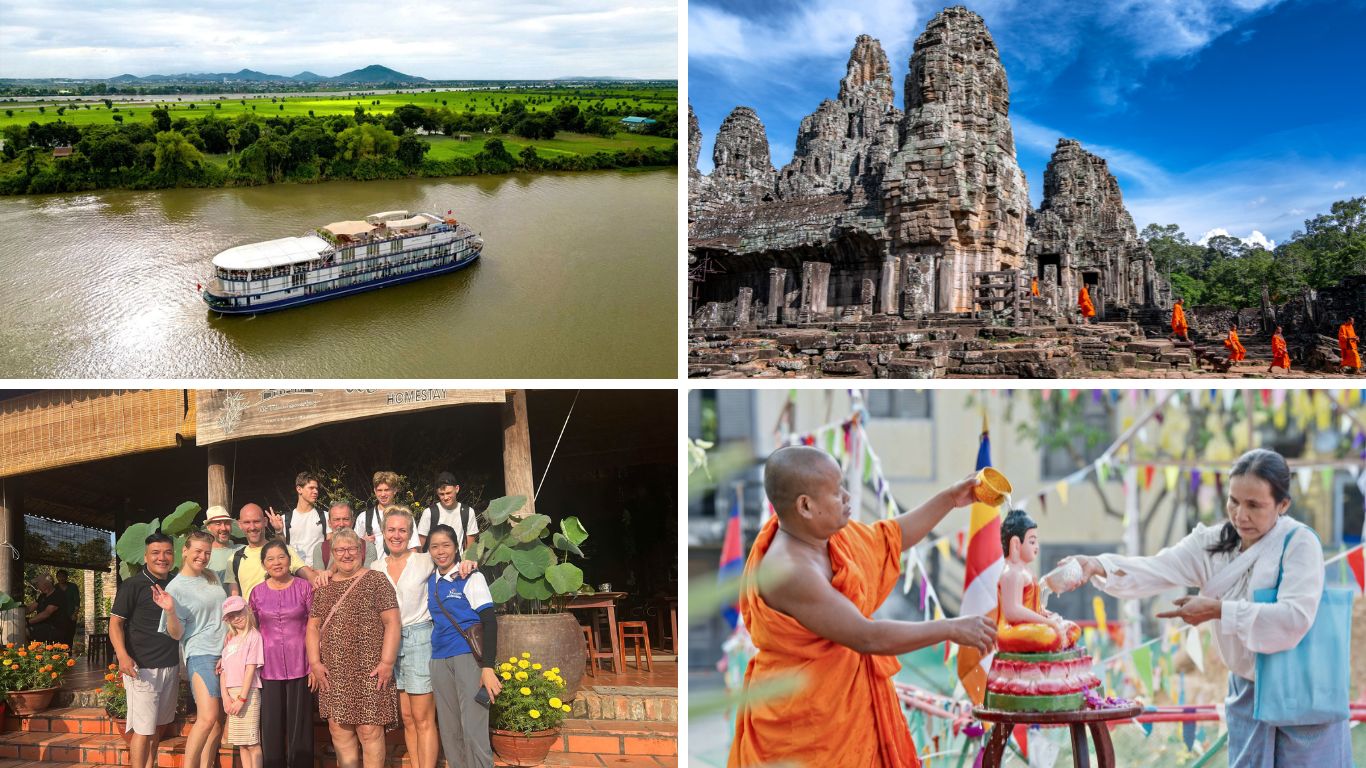
Not sure where to start with logistics? Letting the river do the work is often the best answer. These cruises are selected for their routes through the Vietnamese Mekong Delta, each suited to a different trip length and travel style. In August, higher water levels allow boats to reach deeper into canal networks and floating communities that land transport simply cannot access in the dry season.
| Cruise | Route | Style | Price From | Best For |
|---|---|---|---|---|
| Bassac Mekong River Cruise | Cai Be – Sa Dec – Can Tho | Deluxe | From $197 | First-time Delta visitors, 2–3 day trips |
| Mango Mekong River Cruise | Ben Tre – Mo Cay – Sa Dec | Private Charter | From $371 | Couples and small groups, Ben Tre focus |
| Mekong Eyes Explorer Cruise | Saigon – Cai Be – Can Tho – Phnom Penh | Deluxe | From $212 | 4–5 days, Delta into Cambodia |
| Mekong Princess Cruise | Ho Chi Minh City – Ben Tre – Can Tho – Phnom Penh – Siem Reap | Luxury | From $1,029 | Full regional journey, Delta to Angkor |
| Victoria Mekong Cruise | Can Tho – Long Xuyen – Tan Chau – Phnom Penh – Siem Reap | Deluxe | From $3,017 | Premium experience through An Giang flood-season heartland |
A cruise moving upriver from Can Tho toward Chau Doc captures the full arc of August in one seamless journey: floating markets at dawn, Tra Su Forest by boat, ca linh non hotpot by the river, and the lotus fields of Dong Thap at first light. To discuss August departure dates and cabin availability, reach our reservations team directly at resa@luxurycruisemekong.com
Suggested Itineraries for August
The Delta rewards different lengths of stay in different ways. These three itineraries are built specifically around what August offers, from a short escape to a full regional journey.
2 to 3 Days: Quick Delta Escape From Ho Chi Minh City
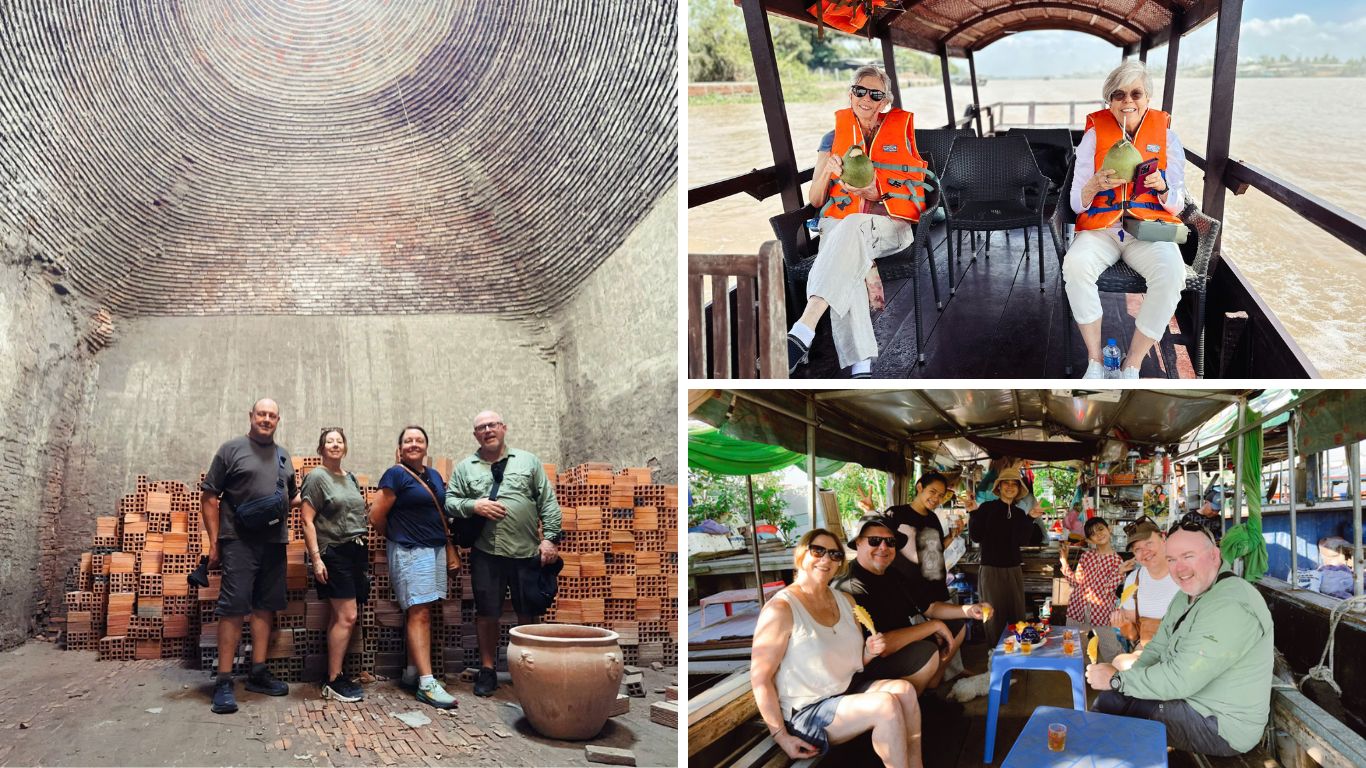
Start before sunrise. Cai Rang floating market in Can Tho rewards the early riser with scenes that disappear by 9 am, boats piled high with produce, the river wide and dramatic with August’s high water. A mid-morning canal cruise follows naturally, letting the city’s waterfront rhythm slow you down before an evening dinner along the Ninh Kieu waterfront, where the river and the food both deserve your full attention.
By the second morning, Ben Tre is calling. Coconut palms line the narrow canals here in a way that feels almost theatrical in August’s deep green, and a sampan ride through those waterways is the kind of slow, unhurried experience that recalibrates everything. Round the day out at a local fruit farm, where the tail end of durian season means you are likely eating the ripest fruit of the year at the lowest price of the year.
The last day offers a choice: head back to Ho Chi Minh City carrying a very different version of the Delta than most visitors ever see, or keep going south and let the river decide what happens next.
4 to 5 Days: Flood Season Food and Nature Focus
This itinerary is for travelers who came specifically for August. Running from Can Tho to Ben Tre to An Giang to Dong Thap, it covers Cai Rang market, Tra Su Forest, ca linh non morning markets in Chau Doc, a lau ca linh bong dien dien dinner by the river, and a dawn lotus field visit. Private transport between provinces keeps logistics clean and allows departure times to match the morning-first rhythm that August demands. Our team can arrange the full route as a guided private journey. Browse Vietnam tour options here.
Mekong Delta in Cambodia
The natural extension of the 4 to 5-day itinerary continues from Chau Doc into Cambodia by river. High August water makes the Mekong wide, powerful, and photogenic along the entire route to Phnom Penh. Before committing, the Chau Doc to Phnom Penh boat journey guide covers everything you need to know about the crossing itself. For travelers who want the broader Vietnam and Cambodia experience fully taken care of, the 17-day Vietnam and Cambodia tour builds the entire route into one seamless journey from start to finish.
Costs and Crowds in August
What to Expect From Tourism Patterns
August sits firmly in the low-to-shoulder season for international tourism. The traveler profile shifts noticeably from the November through February peak. Domestic visitors see a small increase in early August during school holidays, then soften again as schools resume late in the month. Overall, the atmosphere across the Delta in August is unhurried and local in a way that peak season simply cannot replicate, regardless of how early you set an alarm.
What You Will Actually Pay
Accommodation runs noticeably below December and January rates, with strong availability even at short notice. Private tour pricing becomes more negotiable, and upgrading to a private vehicle between provinces feels accessible rather than extravagant. Flood-season food is affordable by any measure. Ca linh non is a street-food ingredient bought by the kilo at morning markets. A full lau ca linh bong dien dien hotpot at a riverside local restaurant costs a fraction of what tourist-facing establishments charge in peak season for less interesting food.
What to Pack for the Mekong Delta in August
Packing well for August is less about volume and more about deliberate choices. The goal is staying comfortable in heat and humidity while staying dry when the afternoon arrives.
Clothing and Footwear
Linen and moisture-wicking synthetics both work well. Cotton gets heavy and stays wet, so leave it behind. Sandals that soak and dry overnight are worth prioritizing. Supplement them with one pair of closed shoes for rural paths and uneven surfaces. A light layer for air-conditioned buses and restaurants is easy to forget and consistently regretted.
Rain and Waterproof Essentials
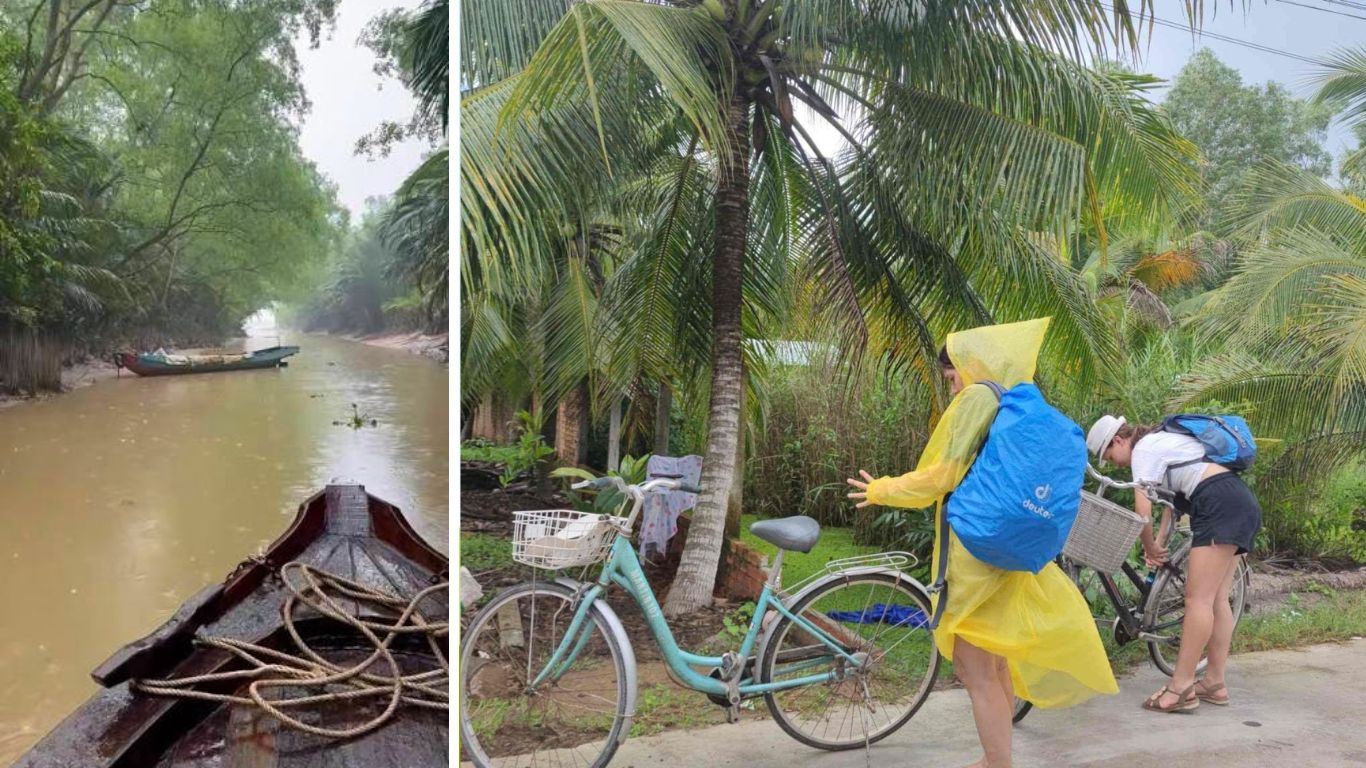
A compact poncho outperforms an umbrella significantly on boat trips, where keeping hands free matters. Dry bags for cameras, phones, and travel documents are essential on any day involving water transport. A waterproof phone pouch adds useful security during canal cruises and floating market mornings.
Outdoor and Boat Trip Essentials
High-SPF sunscreen is the most underestimated item on this list. Humidity creates a sense of overcast conditions even when the sun is direct and strong. Insect repellent becomes important near water as flood conditions increase mosquito activity. A portable charger keeps everything running through long active mornings before the afternoon retreat indoors.
Practical Tips for Visiting the Mekong Delta in August
A few habits separate a trip that flows smoothly from one that fights the season.
- Plan active hours around mornings without exception. Floating markets, lotus field visits, canal cruises, cycling routes, and forest boat trips all benefit from an early start. Do not cancel plans because rain is forecast. Showers pass quickly, and clear golden light after a brief downpour is one of the more beautiful things the Delta produces.
- Before heading to remote areas in Dong Thap or An Giang, check road conditions locally. Some rural routes flood in August and a quick conversation with your driver or guesthouse saves considerable time. Waterproof electronics before any boat trip, not after. When tracking ca linh non availability, the morning fish market in Chau Doc is the most reliable real-time indicator of what is running and at what size.
- Book accommodation near the water wherever possible. Waking up to the flood-season river sets a tone that no inland guesthouse can replicate. In August, that riverside atmosphere is at its most dramatic and most worth the upgrade.
Frequently Asked Questions
Is August rainy in the Mekong Delta? Yes, but predictably so. Rain arrives mainly in the afternoon as short, intense showers lasting one to two hours. Mornings are generally clear and ideal for activities.
Is August better or worse than December for visiting? Neither is objectively better. December offers dry weather and peak market activity with international crowds. August gives flood-season landscapes, exclusive food, and far fewer tourists at lower prices. Your preference depends on what kind of trip you want.
What is the difference between July and August in the Mekong Delta? Weather-wise, nearly identical. August pulls ahead because mid-August starts high water season, ca linh non arrive with the floodwaters, and Dong Thap’s lotus fields reach peak bloom.
When do the lotus fields bloom in Dong Thap? Peak bloom runs through August as floodwaters rise. Visit at dawn for the best light and mist. By late September, deeper flooding changes conditions again.
Is the flood season dangerous for tourists? No. The Mekong Delta flood season is slow and calm. Some rural roads become temporarily impassable, but waterways are safe and navigating them by boat is entirely normal.
Can I visit floating markets in August? Absolutely. August is one of the more dramatic months to do so. High water makes the scene more vivid and expansive. Arrive before 6am for the best experience.
How many days should I spend in the Mekong Delta in August? Three days covers the basics from Can Tho and Ben Tre. Four to five days allows you to reach An Giang and Dong Thap for the flood-season highlights that make August genuinely special.