
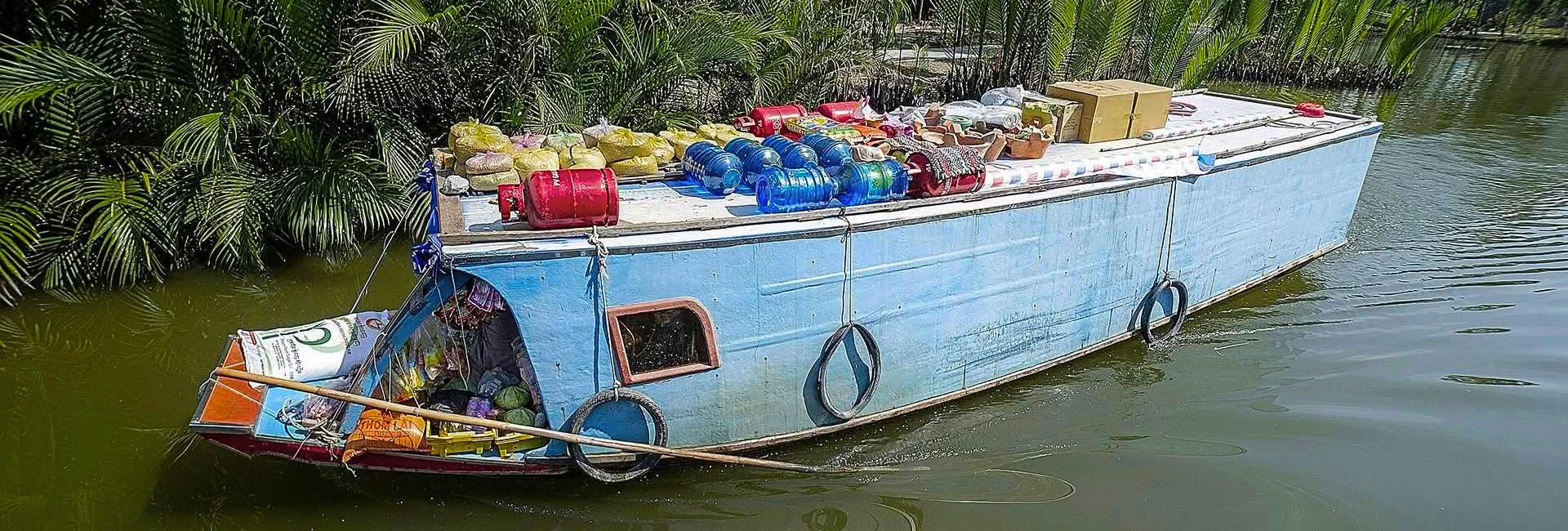
September might sound like an odd time to head to the Mekong Delta, since most of Vietnam is deep in its rainy season. But down in the delta, this month tells a completely different story. Rivers swell, canals fill to the brim, and the whole region slips into what locals call the floating season. Rice paddies turn a deep, glossy green, lotus ponds stretch out in full bloom, and floating communities go about daily life exactly as they have for generations, just with a lot more water underneath them.
This guide walks through what the weather really feels like this month, whether it is worth booking around the rain, how flood season changes the way you travel, and which destinations shine brightest right now. You will also find seasonal experiences that only show up in September, along with practical tips, sample itineraries, and answers to the questions travelers ask most often before packing their bags.
Is September a Good Time to Visit the Mekong Delta?
Yes, and for travelers chasing authenticity over predictability, September might be the single best window on the calendar. Rain does show up, but it tends to arrive in short, contained afternoon bursts rather than all-day downpours, which leaves plenty of room for sightseeing.
Here is what makes the month worth planning around, who tends to love it most, and where the trade-offs actually sit.
Why September Stands Out
This is the peak of flood season, and that single fact reshapes everything else. Rivers run full, so boat trips glide smoother and reach further into areas that dry up later in the year. Rice paddies flash a vivid green, lotus ponds stay lush, and orchards keep producing right through the month. Photographers get some of their best conditions of the year, thanks to soft morning light bouncing off wide stretches of water, and because daily life here genuinely revolves around the waterways, visitors get an unfiltered look at how the delta actually functions. On top of all that, international crowds thin out considerably compared to the winter high season.
Who Should Visit in September
September suits nature lovers, photographers, birdwatchers, and anyone drawn to slower, culture forward travel. Families looking for a peaceful pace and couples wanting something a little more intimate also tend to leave happy. The one group that might want to wait is anyone whose main goal is a dry, sun-soaked beach holiday, since that is simply not what this season is built for.
Pros and Cons of Visiting in September
| Advantages | Things to Consider |
|---|---|
| Dramatic flood season scenery | Afternoon rain showers |
| Fewer crowds at major sites | Higher humidity |
| Lower hotel and tour rates | Some rural roads turn muddy |
| Floating markets at their liveliest | Itineraries benefit from flexibility |
| Peak fruit and rice harvest season | A few outdoor stops may pause during heavy rain |
If juggling these details on your own feels like a lot, our team can help you build a private itinerary that works around the weather rather than against it.
Weather in the Mekong Delta in September
September sits firmly inside the rainy season, yet it rarely feels as heavy as that label suggests. Rainfall follows a fairly predictable rhythm here, which makes planning around it far easier than most travelers expect.
Temperature and Humidity
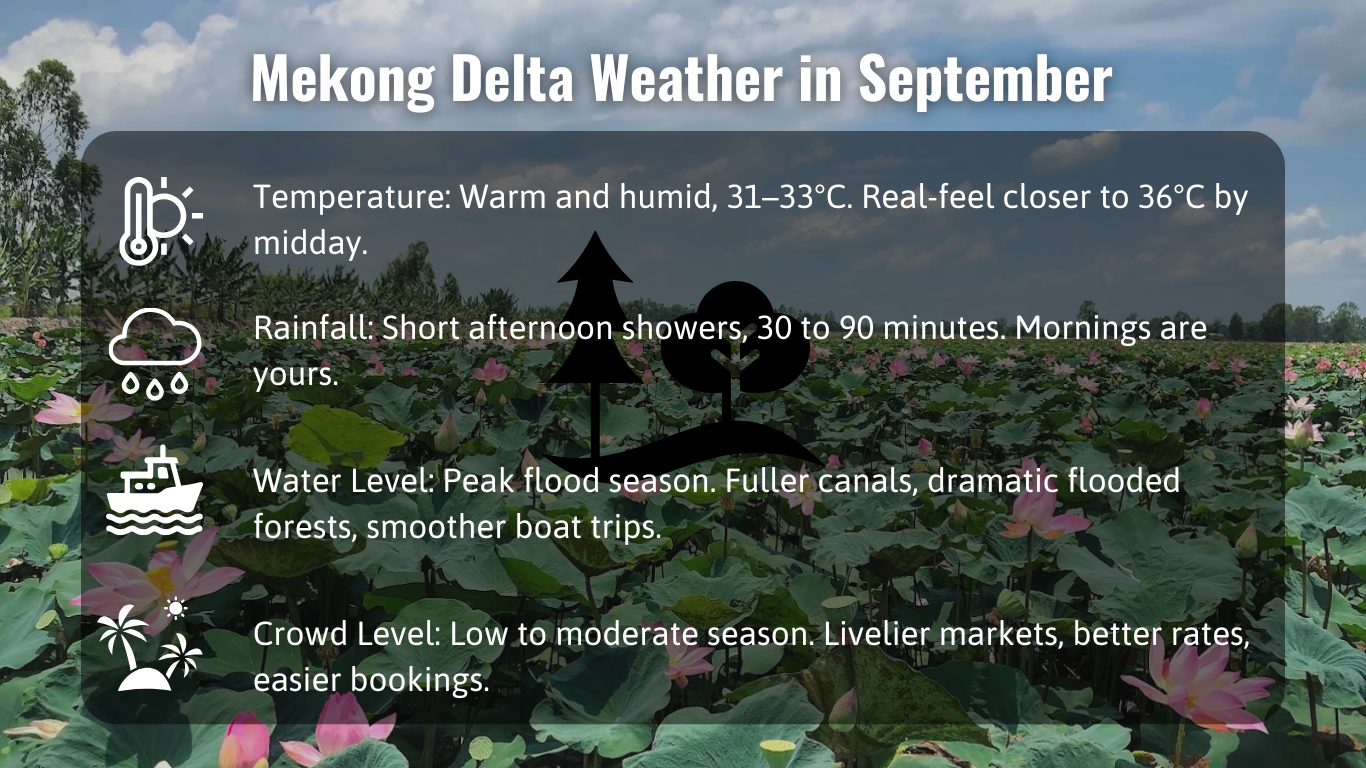
Daytime temperatures typically hover in the low to mid 30s Celsius, cooling into the low to mid 20s overnight. Humidity runs high throughout the month, though thick cloud cover during the day keeps the heat from feeling as intense as the numbers imply. Mornings stay warm and pleasant, evenings cool down nicely along the rivers, and the overall sensation is muggy rather than punishing.
Rainfall Patterns
Expect somewhere around 15 to 20 rainy days across the month, with monthly rainfall reaching some of the highest totals of the year. The good news is the pattern itself. Showers usually roll in during late afternoon and last anywhere from 30 to 90 minutes, while mornings stay clear far more often than not. Full days of steady rain are the exception rather than the rule.
What “Flooding” Actually Means for Visitors
This is the question most travelers arrive with, and the answer is reassuring. The Mekong flood season is not flash flooding or disaster flooding. It is a slow, predictable, centuries-old rise in water levels that local communities prepare for and depend on. Main highways between Ho Chi Minh City, Can Tho, Ben Tre, and Chau Doc are unaffected. Only very minor rural tracks in low-lying areas see shallow surface water, and locals navigate these without disruption. For visitors, flooding means wider canals, greener landscapes, and richer experiences rather than cancelled plans.
September vs Neighbouring Months at a Glance
| August | September | October | November | |
|---|---|---|---|---|
| Rainfall | Heavy | Moderate | Moderate | Easing |
| Water levels | Rising | Flood begins | Peak flood | Still high |
| Tourist crowds | Low | Low | Low–Medium | Medium |
| Flood-season highlights | Partial | Starting | Full peak | Winding down |
Understanding the Mekong Delta Flood Season
Plenty of travelers hear the word flood and picture disaster movies, but the reality here is almost the opposite. This section clears up what is actually happening and why locals look forward to it every year.
What Is the Flood Season
Each year, roughly between August and November, the Mekong River rises steadily across the delta in what locals call the floating season. Far from a disruption, it is a natural agricultural and fishing cycle that the entire region is built around.
Why Flooding Is Beneficial
Floodwater carries nutrient-rich sediment downstream, restocks fish populations, irrigates rice fields, and forms the wetlands that support birdlife throughout the region. Lotus and water lilies also flourish under these conditions, which is exactly why the ponds look so spectacular this time of year.
Is the Mekong Delta Safe During Flood Season
It is. Tourist attractions stay open, roads are actively monitored, and boat operators simply adjust routes rather than shutting down. The rise happens gradually rather than suddenly, and guided tours continue operating throughout, so there is little reason to hesitate on safety grounds alone.
Best Places to Visit in the Mekong Delta in September
Rather than a generic list, here is why each destination genuinely benefits from this specific month, and how a private guide or driver makes reaching them a lot simpler.
Can Tho
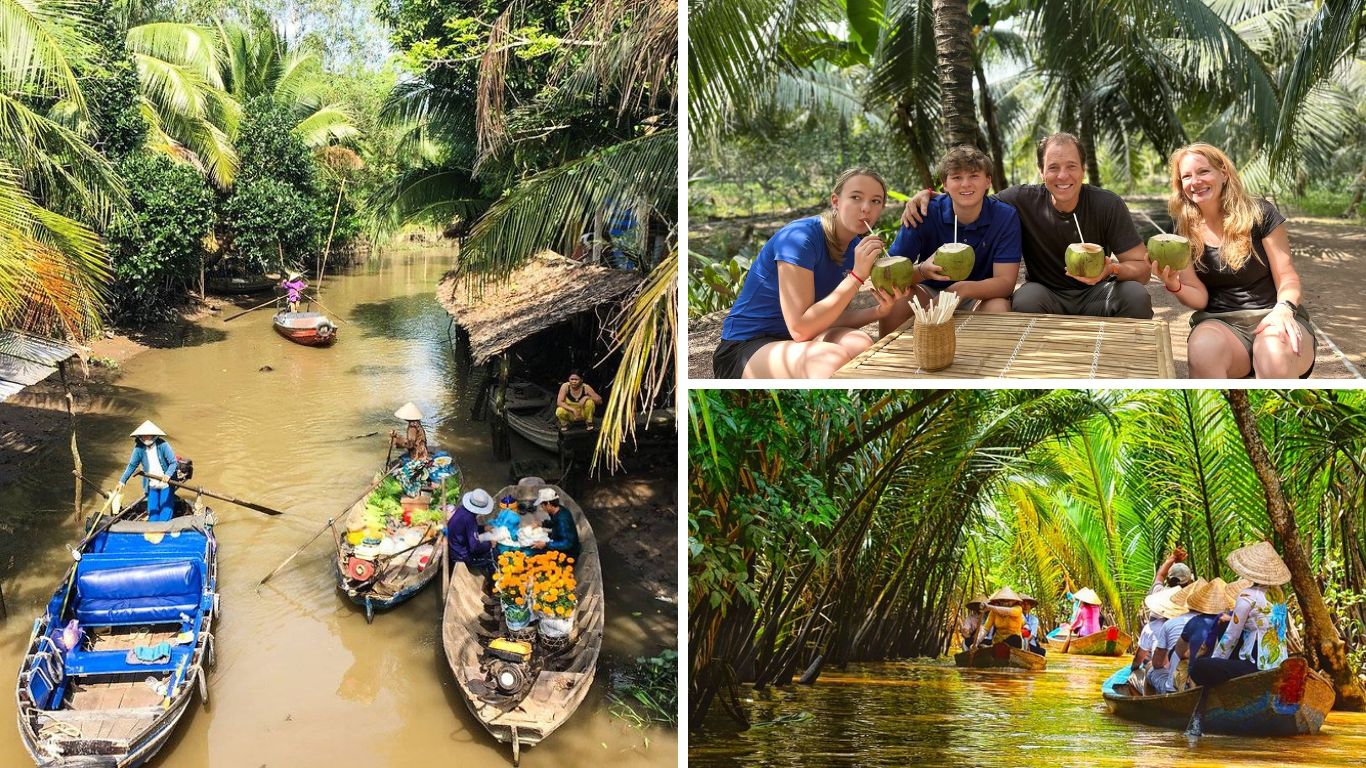
Cai Rang Floating Market hits its liveliest stretch right now, with boat breakfasts, a scenic riverside promenade, and orchard visits rounding out the day. Higher water levels mean smoother, more comfortable cruising, and sunset river cruises look especially good this time of year. For a deeper dive, our full guide to Cai Rang Floating Market and everything worth doing in Can Tho cover the details.
Ben Tre
Coconut forests, sampan rides, and quiet countryside cycling routes all look their best after seasonal rain, when the vegetation turns especially lush. Riverside homestays and local handicraft villages round out a relaxed, authentic visit. Explore more in the three best things to do in Ben Tre and the best places to visit in Ben Tre.
An Giang
Tra Su flooded melaleuca forest reaches its fullest and most photogenic state right now, with seasonal birdlife and floating villages adding depth to the visit. Sam Mountain viewpoints round things out nicely. See the full highlights of the An Giang water region for a closer look.
Dong Thap
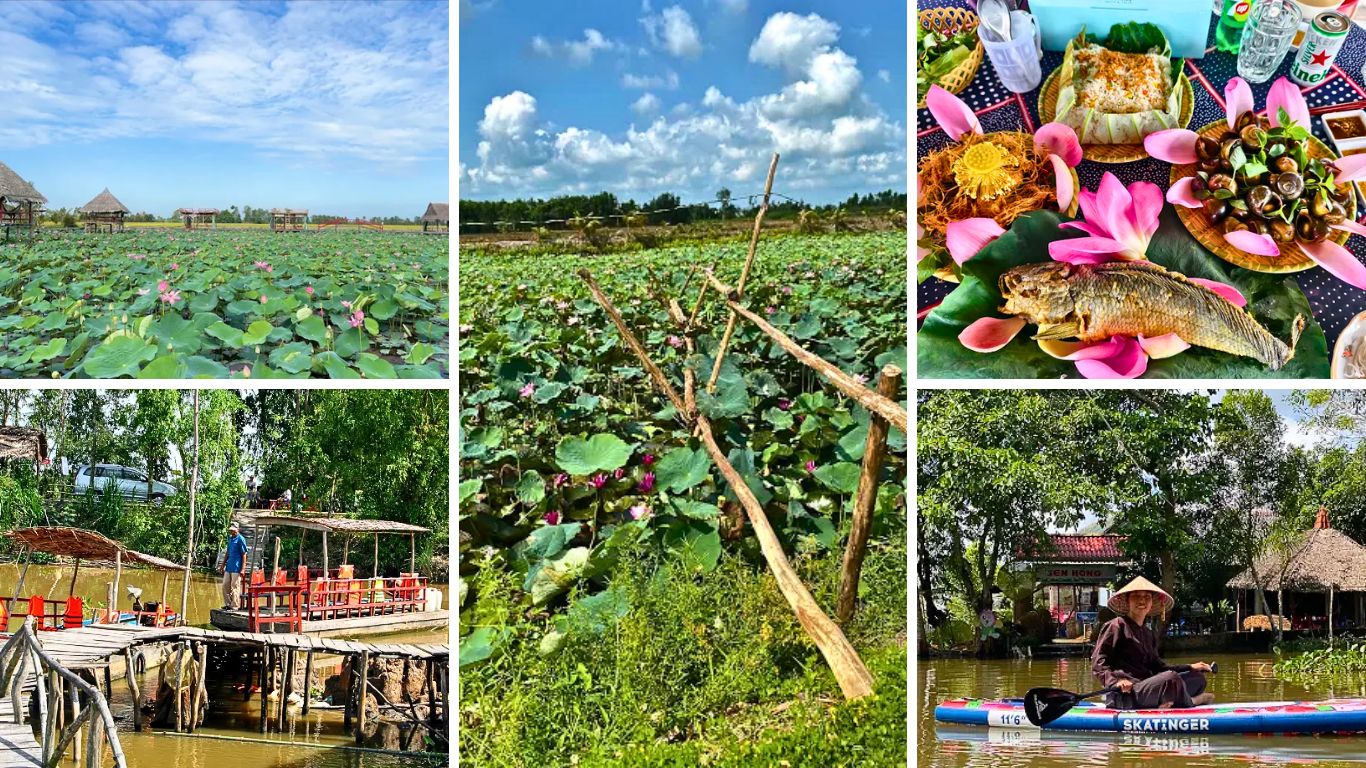
Tram Chim National Park and its floodplain ecosystems are worth the trip on their own, especially for migratory bird season and traditional fishing culture. Lotus ponds here rank among the most photogenic in the country. Dive deeper with the complete Dong Thap travel guide, the Tram Chim National Park bird guide, and Dong Thap Muoi’s lotus fields.
Vinh Long
Orchard islands, family-run homestays, and canal tours through traditional villages make Vinh Long the pick for travelers chasing an authentic, unhurried pace. Learn more in the Vinh Long travel guide.
Planning a route between all five is easier with a private driver and guide on hand. Reach out to our team or email resa@luxurycruisemekong.com to put a route together.
Best Things to Do in the Mekong Delta in September
Beyond simply visiting the right towns, a handful of experiences define what makes this month special.
- Visit Cai Rang Floating Market at Sunrise
Mornings bring the busiest trading, with traditional boats stacked high with produce, fresh local breakfast options, and coffee served right on the water.
- Cruise Through Flooded Forests
Tra Su and Tram Chim reward an early start with calm waterways, mirror-like green reflections, birdsong, and some of the best photography conditions of the entire year.
- Enjoy Seasonal Fruit Orchards
September brings rambutan, longan, guava, dragon fruit, and in some areas, late-season mangosteen. Orchard visits usually include fresh tastings straight from the tree.
- Watch Migratory Birds
Tram Chim National Park and its floodplain ecosystems draw impressive birdlife this time of year, and early morning excursions offer the best sightings.
- Experience Authentic Flood Season Life
Traditional wooden boats, local fishing, and floating fish farms all offer a genuine look at how communities adapt to rising water each year.
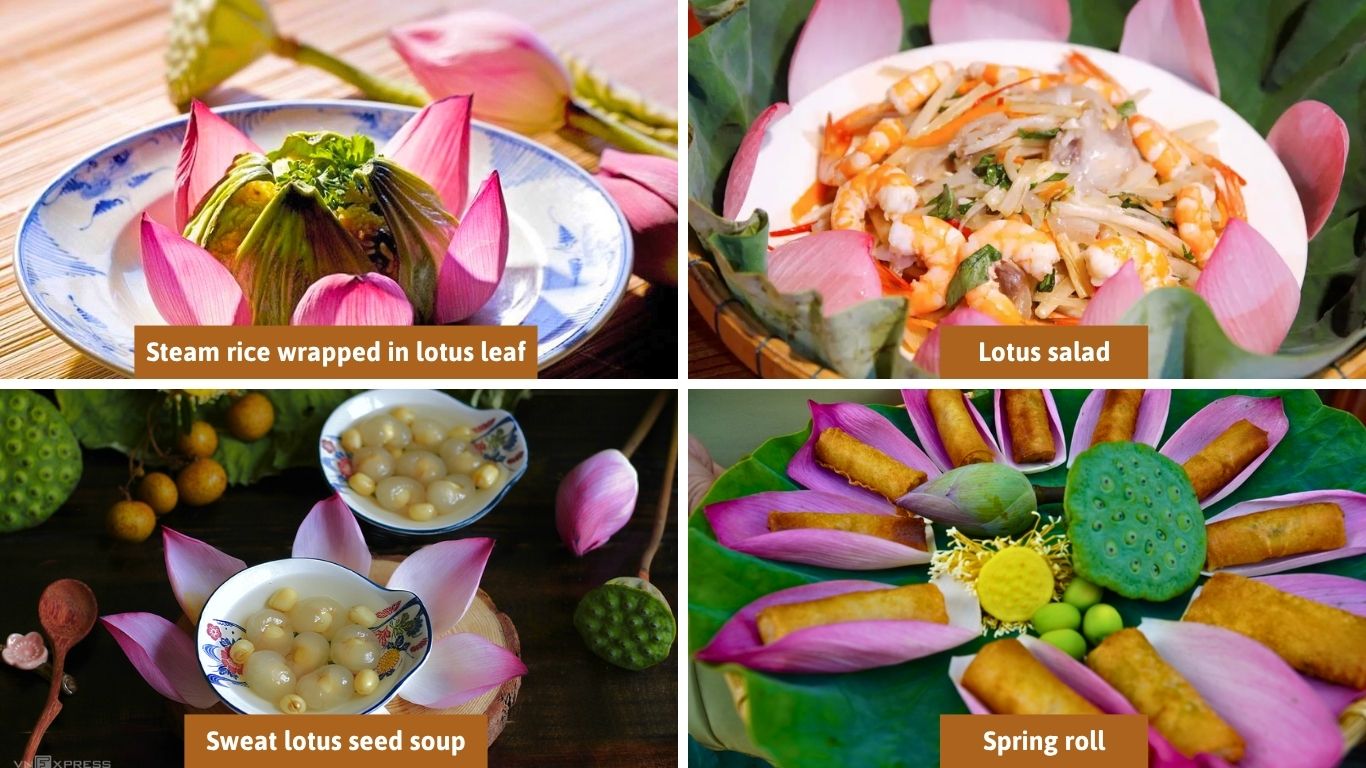
- Taste Seasonal Mekong Cuisine
Elephant ear fish, sour soup made with river fish, wild vegetables pulled from flooded fields, grilled snakehead fish, and fresh coconut desserts all shine on menus this month.
Seasonal Experiences You Can Only Enjoy in September
A few things simply do not exist outside this window, and they are worth building a trip around.
- Witness the Floating Season
In certain villages, boats fully replace motorbikes for daily errands, giving visitors a rare, unfiltered look at life on the water.
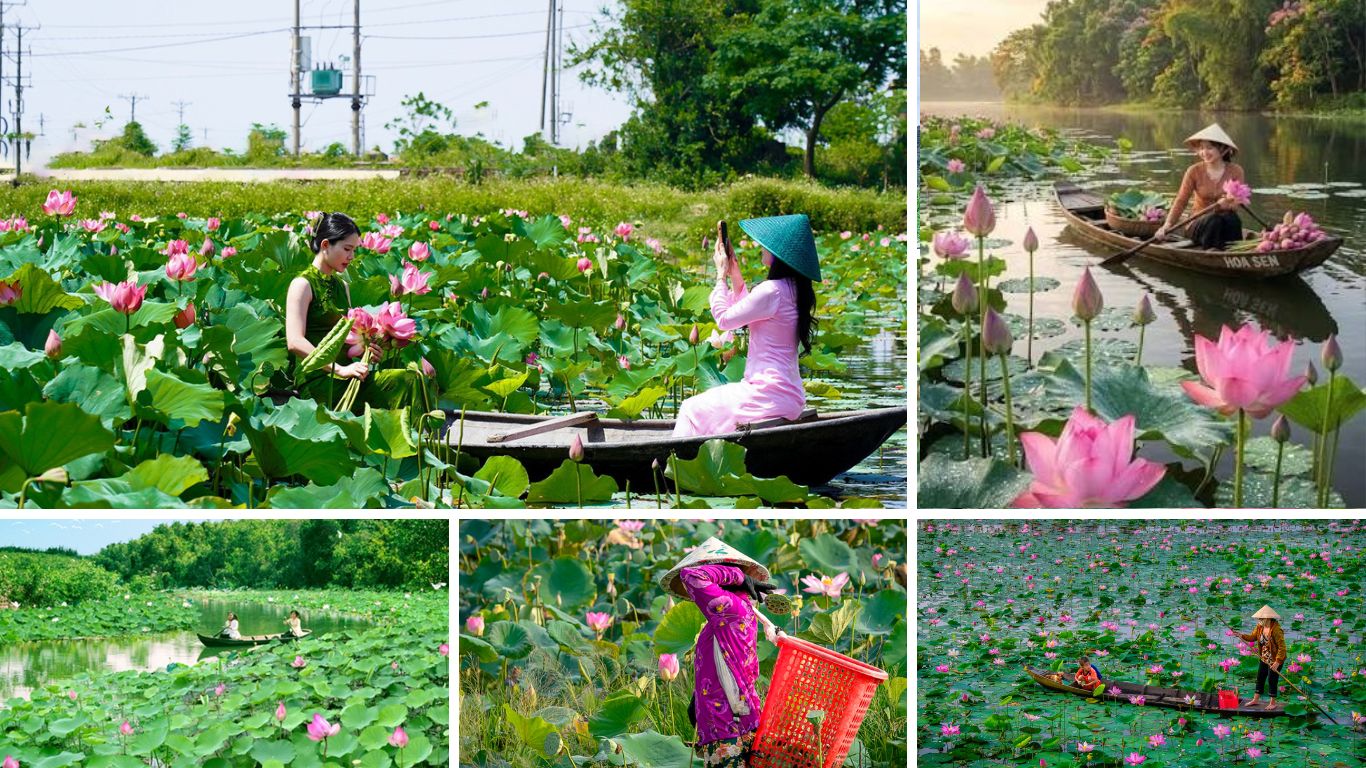
- Explore Flooded Lotus Fields
Rising water pushes lotus ponds to their most striking state, with blooms stretching across far wider areas than in drier months.
- Observe Traditional Fishing Methods
Fish traps, nets, and floating baskets are all actively in use, offering an authentic look at seasonal catches and centuries old techniques.
- Photograph Dramatic Flood Landscapes
Morning mist, mirror still reflections, active birdlife, and endless green waterways combine to create some of the most compelling shots available anywhere in Vietnam this time of year.
Planning Your Visit: Bases, Routes, and Private Options
The Mekong Delta covers a large area, and where you base yourself shapes the kind of trip you have. Most visitors move between two or three towns rather than staying in one place, which is where private transfers and tailored itineraries make a real difference.
Ben Tre suits travelers who want quiet canal immersion. The coconut-grove waterways here are at their most beautiful in flood season, and the town itself remains genuinely unhurried. Our guide to things to do in Ben Tre covers the key experiences worth building time around.
Can Tho is the most practical base, as it is the Delta’s largest city with direct floating market access, the best transport links back to Ho Chi Minh City, and the widest range of accommodation. If you are doing a short trip, Can Tho is the natural anchor. Getting between Can Tho and Ho Chi Minh City is straightforward, and our Can Tho to Ho Chi Minh City transfer guide walks through the options.
Chau Doc is the specialist choice for September. It sits closest to Tra Su forest and the Cambodia border, and its waterfront in flood season has a quality that is hard to describe without seeing it: the surrounding countryside submerges slowly, and the town itself feels like it is floating. It also serves as the most natural departure point for onward river journeys into Cambodia.
Plan your September itinerary with a private guide who knows the Delta in flood season. Our team at Indochina Voyages builds tailored Mekong Delta trips with private transfers, local guides, and handpicked accommodation, all arranged around the experiences that matter in each specific month. Get in touch to start planning.
Recommended Cruises for September
Rising water levels from mid-September open up stretches of the Mekong that are genuinely difficult to navigate in the dry season, and shoulder-season pricing makes this one of the better-value windows before October high season kicks in. A cruise is also the most immersive way to experience the flood-season landscape, since you are on the water constantly, moving through it rather than looking at it from shore.
Below are three cruises from our collection that suit September particularly well, each offering something different depending on the kind of traveler you are.
| Cruise | Route | Duration | Style | Why September | From (pp) |
|---|---|---|---|---|---|
| Mekong Princess | HCMC → Ben Tre → Can Tho → Phnom Penh → Siem Reap | 3–8 days | French colonial luxury, 14 suites, max 28 guests per guide | Flood-season canals at Ben Tre, peak seasonal produce at Cai Rang, shoulder pricing throughout September | From $848 |
| Mekong Navigator | My Tho → Cai Be → Sa Dec → Long Khanh A Island → Phnom Penh | 4–8 days | Sustainability-focused, 34 cabins, strong village excursion program | Flooded paddies surrounding border island villages; low-season rates apply until September 22 | From $1,099 |
| Bassac Cruise | Can Tho → Mang Thit River → Cai Be | 2–3 days | Eco rice-barge, 6–12 cabins, family-friendly and intimate | Mang Thit canal scenery peaks during flood season; short commitment, accessible price point | From $197/night |
Browse the full collection of Mekong River cruises or contact our cruise specialists directly at resa@luxurycruisemekong.com to find the right fit for your dates and travel style.
Practical Tips for September
A well-packed bag and a few good habits make the difference between a September trip that flows smoothly and one that fights the weather.
- Rain poncho over umbrella. Boat excursions, market visits, and village walks all work better with free hands. A lightweight, packable poncho covers you without the awkwardness of an umbrella on a sampan.
- Waterproof sandals. These are more practical than trainers for stepping on and off boats, navigating wet docks, and walking through villages with surface water.
- DEET insect repellent, and this one is non-negotiable. Rising water and lush vegetation in September means mosquitoes are significantly more active than in the dry season. Apply before any time near flooded areas, particularly Tra Su forest and paddy-edge villages.
- Start outdoor activities before 9 AM. Floating markets, canal rides, and birdwatching at Tra Su all reward early starts, and you will be finished before the afternoon heat and showers arrive.
- Camera protection. A dry bag or waterproof case is worth carrying on any boat excursion, particularly in September when sudden showers can arrive with little warning.
FAQs
Does it rain every day in September in the Mekong Delta?
Most days see a short afternoon shower, but mornings are typically clear. With early starts and a rain poncho on hand, the weather rarely disrupts well-planned activities.
Is the flooding dangerous for tourists?
Not at all. The Mekong flood season is a slow, predictable water rise that locals manage as routine. Main roads are unaffected, and the water adds to the experience rather than taking away from it.
Is September a good month for a Mekong cruise?
Yes, one of the better ones. Rising water levels improve river access, flood-season scenery is at its most dramatic, and shoulder-season pricing applies across most departures in September.
What should I pack?
Light, breathable clothing, a rain poncho, waterproof sandals, DEET insect repellent, and a dry bag for your camera. Overpacking is more of a problem than underpacking in September heat.
Can I visit the Cai Rang floating market in September?
Absolutely, and it is particularly worthwhile. Seasonal flood-season produce fills the market stalls from September onward, making it a more interesting visit than the dry-season equivalent.
Is September better than December for visiting the Mekong Delta?
They offer genuinely different trips. December brings easier logistics, clearer skies, and peak-season energy, while September brings the Floating Season, flood-season food, fewer tourists, and a version of the Delta that simply does not exist in the dry months. Both are worth experiencing, as they suit different kinds of travelers.